
Improve Gut Health With These Supplements
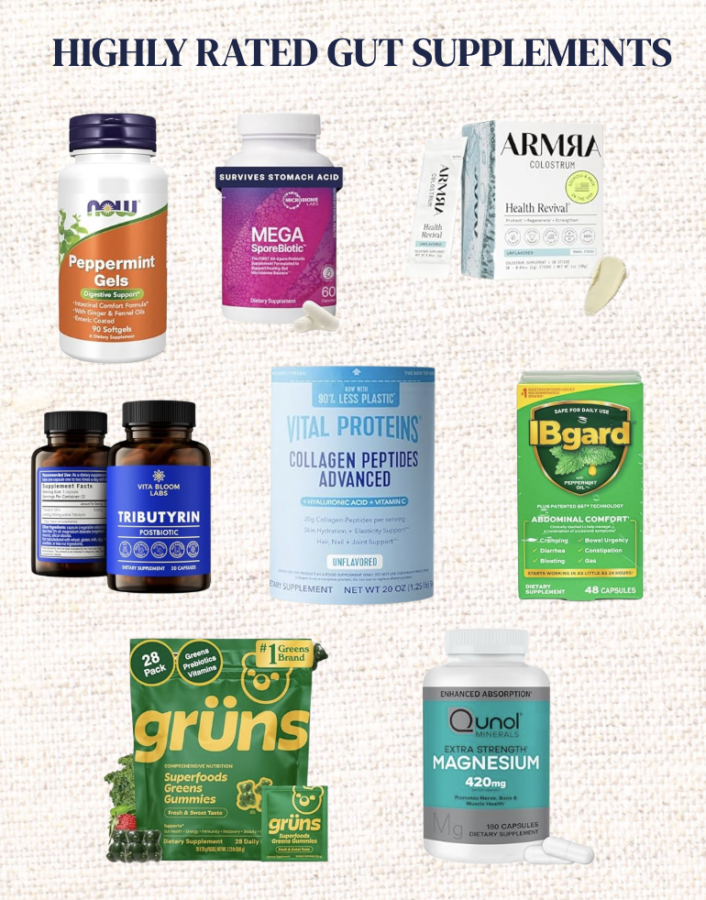
If hope you caught my last post on gut-healing foods. What I didn’t fully share? I have had issues with my gut and digestion and so does my boys. Even with all those colorful fruits, fermented foods, and fiber rich foods on my plate, I still had issues. In this post, I share supplements that have improved the gut health for my family. Even with a healthy diet, it can be difficult to get enough fiber, the right strains of beneficial bacteria, and the key nutrients for gut repair.
Food helped—truly. But when I started layering in intentional, natural supplements? That’s when things clicked. So consider this the sister piece to everything we talked about before, because sometimes our busy lives need a little backup.
Key Takeaways
- Gut health supplements like probiotics, prebiotics, digestive enzymes, fiber, magnesium, and soothing botanicals can fill nutritional gaps that even the healthiest diet sometimes misses.
- Supplements work best when paired with gut-friendly lifestyle habits: whole foods, stress management, quality sleep, and daily movement.
- Start with one or two new supplements at a time and give them 4–12 weeks of consistent use before evaluating results.
- Quality matters—look for third-party testing, clear strain information on probiotics, and reputable sources.
- Always chat with your healthcare provider before starting new supplements, especially if you’re pregnant, on medication, or managing a health condition.
Why Gut Health (And The Right Supplements) Matter So Much
Let me paint you a picture: it’s 2022, and I’m sitting at a gorgeous dinner party I’ve been looking forward to for weeks, except I can barely enjoy my meal because my stomach feels like a balloon. Sound familiar? That was my wake-up call that my gut was running the show.
Here’s the thing about gut health—it’s so much more than digestion. Your digestive tract, stretching from stomach to colon, houses trillions of microorganisms known as your gut microbiome. These tiny bacteria in your gut influence everything: your energy, your mood through the gut-brain axis, your immune system (70-80% of immune cells live in your gut!), your skin health, and even your hormones.
Gut health supplements can help restore and protect the balance of the gut microbiome, positively impacting digestion, bowel movements, skin health, and sleep quality. But here’s what I’ve learned: most women don’t get enough fiber, minerals like magnesium and zinc, or consistent fermented foods in their daily routine. A 2023 analysis found 63% of adults are deficient in magnesium alone.
These supplements aren’t magic pills—they’re helpers. Expect them to work best when used consistently for at least 4–8 weeks alongside better sleep, less stress, and a plant-rich diet full of fruits vegetables whole grains.
Probiotics: Your “Good Gut Bugs” In A Capsule
Probiotics are defined by the World Health Organization as “live microorganisms that, when administered in adequate amounts, confer a health benefit on the host.” In plain terms? They’re the good bacteria your gut craves, delivered in a convenient capsule.
Probiotics can help rebalance the gut microbiome, especially after disruptions caused by antibiotics, poor diet, or illness, and are linked to better digestion and improved symptoms of irritable bowel syndrome (IBS). For women specifically, certain strains support regular bowel movements, reduce bloating, and may even help with yeast infections and UTIs.
The market agrees this matters: in 2013, global sales of probiotic supplements reached $32 billion and are projected to grow to $85 billion by 2027. That’s a lot of people investing in their gut bacteria.
I started a women’s multi-strain probiotic blend in early 2024—around 20 billion colony forming units with Lactobacillus and Bifidobacterium strains. Within about 8 weeks, I noticed more regularity on busy workdays and significantly less “food baby” bloating after meals.
A gentle note: Those with compromised immune systems should talk with their doctor first. Live probiotics aren’t necessary for everyone, and about 10-20% of people experience temporary gas when first starting.
How To Pick The Right Probiotic For You
Different strains do different jobs. Lactobacillus rhamnosus GG excels for diarrhea support, while Bifidobacterium lactis helps with constipation. Lactobacillus reuteri? Great for vaginal health.
When shopping, look for:
- Genus, species, and strain listed clearly (e.g., L. rhamnosus GG)
- 10–50 billion CFU for most women
- Third-party testing (USP or NSF certification)
- Clear storage instructions and expiration dates
- Enteric coating for better survival through stomach acid
The quality of gut health supplements can vary significantly, with factors such as potency, purity, and identity being crucial for their effectiveness. Start moderate and build from there—your healthy gut will thank you.
Prebiotics: Feeding The Healthy Microbes You Already Have
Think of prebiotics as fertilizer for your internal garden. Prebiotics consist of non-digestible fermentable carbohydrates that act as food for probiotics, helping to increase the amount of beneficial bacteria in the colon and support overall gut health.
Prebiotics are naturally found in fiber-rich foods such as garlic, onions, bananas, oats, and asparagus, and they enhance mineral absorption, regulate blood sugar, and strengthen immune function. But let’s be honest—how many of us consistently eat enough of these foods every single day?
Top Rated Probiotic Supplements
Shop Top Supplements
This is a great place to list items used in your post and also found in your shop. This block uses WooCommerce to pull in hand selected products.
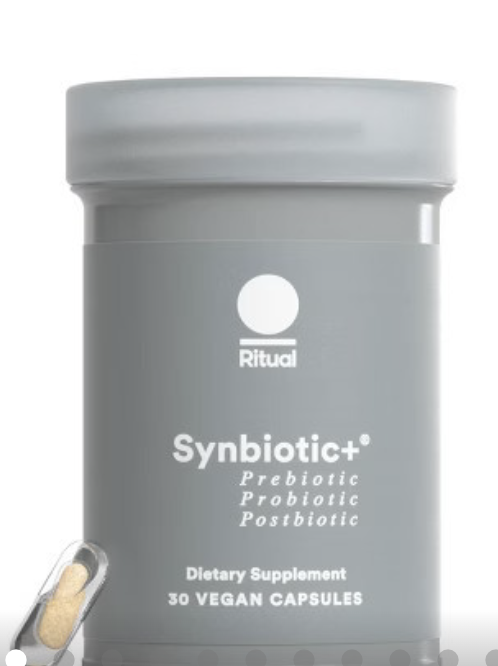
Ritual Synbiotic+
Frequently chosen as the best overall probiotic for most people; combines well‑studied strains (Lactobacillus rhamnosus, Bifidobacterium animalis) with pre‑ and post‑biotic support.
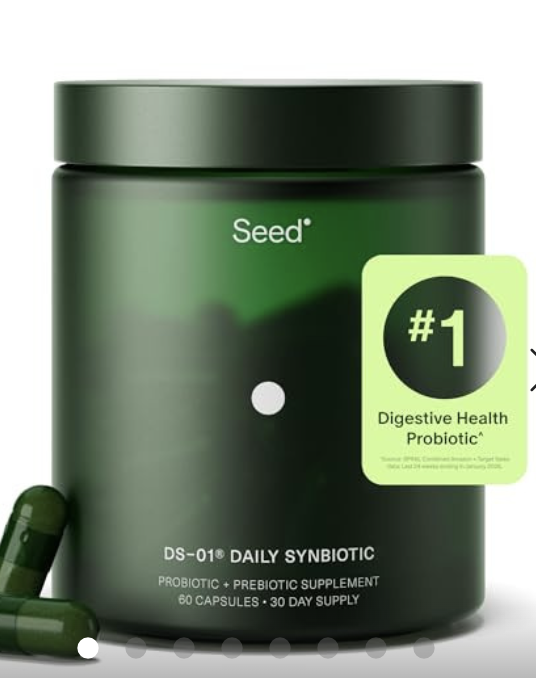
Seed DS‑01 Daily Synbiotic
Often top‑ranked for gut health and high strain diversity, with a 2‑capsule synbiotic system.
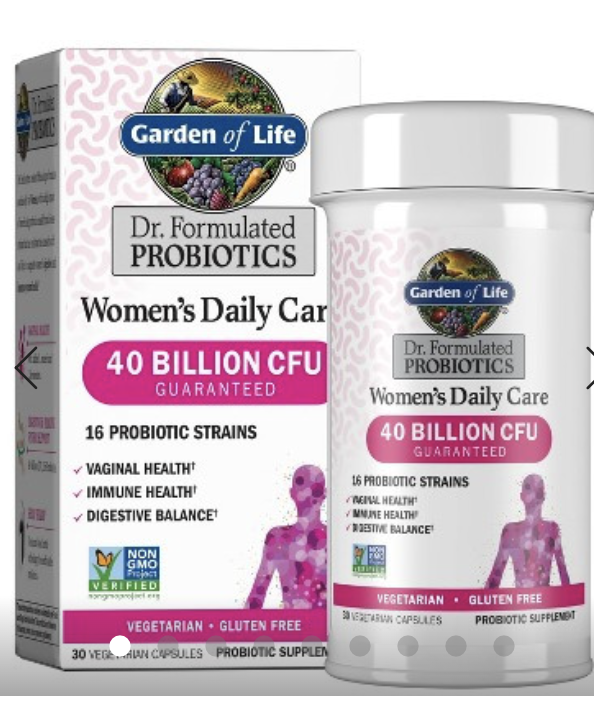
Garden of Life Women’s Probiotic (Dr. Formulated/Raw lines)
Frequently selected as best overall for women and one of the best for gut health due to 16–32 strains and high CFU counts tailored to women’s needs.
Common supplemental forms include:
- Inulin from chicory root
- Fructo-oligosaccharides (FOS)
- Galacto-oligosaccharides (GOS)
- Partially hydrolyzed guar gum (PHGG)
- Acacia fiber
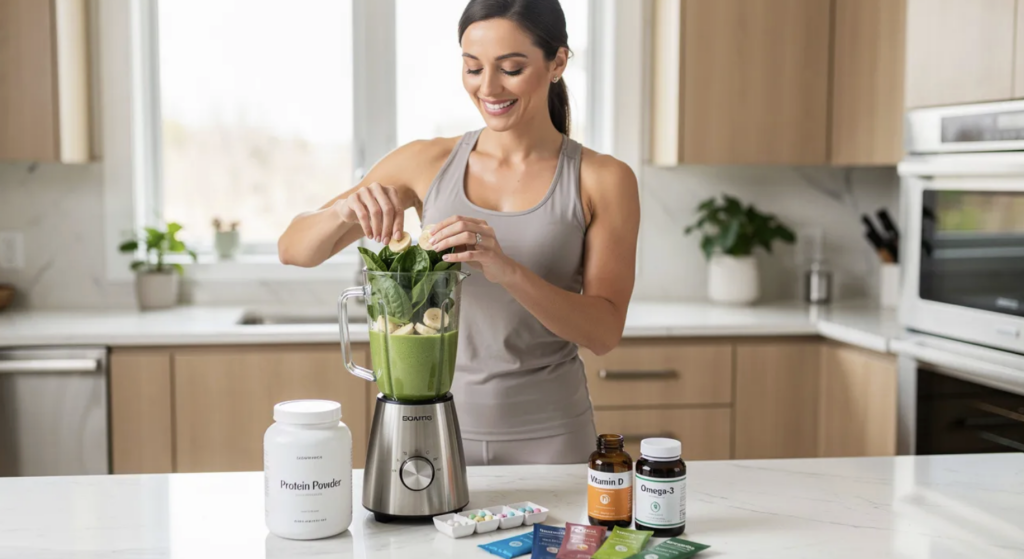
The fermentation of prebiotics by gut bacteria may help prevent the growth of potential pathogens, reduce constipation, and support healthy immune function. I started adding a gentle prebiotic powder to my morning smoothies during a hectic 2025 travel schedule, and my bathroom routine became wonderfully predictable—even across time zones.
Start low, go slow: Begin with 1–2 grams daily and build up over 1–2 weeks to avoid gas and bloating.
Prebiotic Foods vs. Supplements
Whole foods remain the foundation—garlic, onions, oats, apples, beans, and artichokes deliver prebiotic fibers plus countless other food components your body needs. Fiber-rich foods, such as fruits, vegetables, whole grains, and legumes, not only support digestive health but also promote the growth of beneficial gut bacteria, contributing to a healthy gut microbiome.
Position supplements as backup for busy weeks or limited produce access. Try pairing them: roasted garlic and onion alongside a small scoop of chicory-root prebiotic in yogurt with active cultures. Best of both worlds.
Postbiotics: The Quiet Overachievers Of Gut Support
Here’s where it gets exciting. Postbiotics are the beneficial compounds created when probiotics digest prebiotics, including short chain fatty acids (SCFAs), enzymes, and peptides. They’re what your healthy bacteria produce after doing their job.
Butyrate, a type of postbiotic, is known to fuel the cells that line the colon, strengthen the gut lining, and help heal leaky gut. It also supports healthy inflammation levels and may influence mood and blood sugar regulation.
Emerging research highlights postbiotics for their ability to support gut health, offering greater stability and shelf life compared to probiotics. No live bacteria to keep alive means they’re perfect for women who react poorly to traditional probiotics.
I experimented with a butyrate supplement for about 6 weeks in early 2025 alongside higher-fiber meals. The result? Less urgency, more “calm gut” days, and fewer mid-afternoon energy crashes.
Note: Research is promising but still emerging—choose reputable products and check in with a practitioner if you’re unsure.
Top Digestive‑Enzyme Supplements
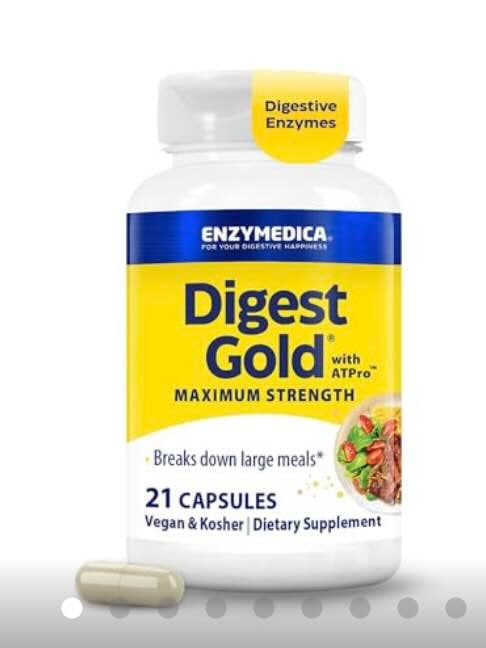
Best all around enzyme: Enzymedica Digest Gold + ATPro, Thorne Digestive Enzyme
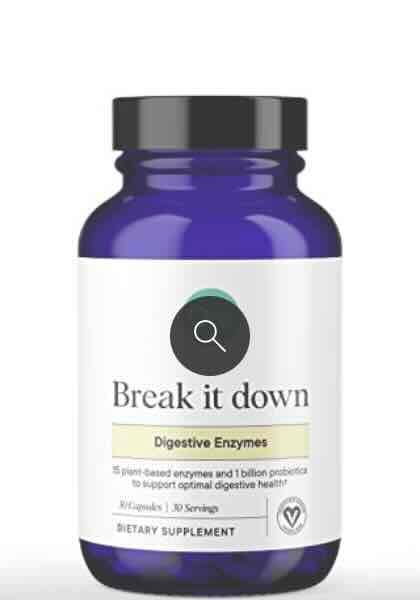
Designed For Women:
Ora Organic Multi-Enzyme Supplement – Vegan, Gluten Free Enzymes
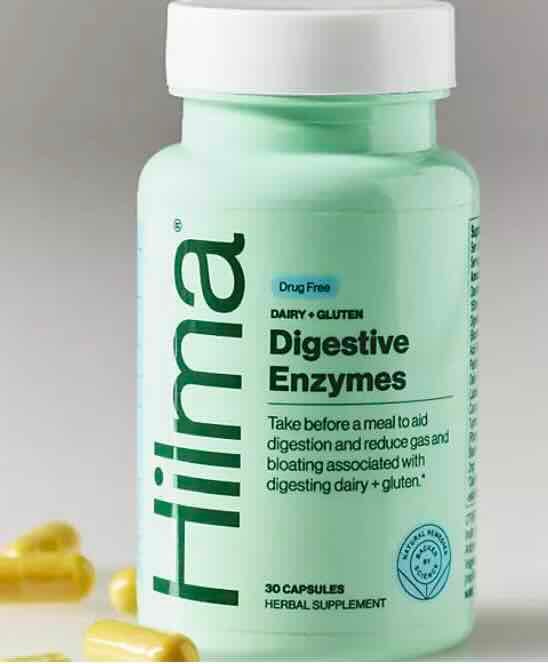
Best Dairy + gluten combo
Daily capsules designed to support digestion and help ease post-meal bloating.
Digestive Enzymes: Help For That “Brick In Your Stomach” Feeling
Digestive enzymes are proteins that assist in breaking down macronutrients like fats, proteins, and carbohydrates, and can alleviate post-meal discomfort. Your body naturally produces these—amylase, protease, lipase, lactase—but production can decline with age, stress, or certain foods.
Digestive enzyme supplements may help if you:
- Feel overly full after small meals
- Experience excessive belching
- Notice undigested food in stools
- Have lactose intolerance
Studies show broad-spectrum enzyme blends improve post-meal fullness by 30-50% in people with dyspepsia. Take them with your first bites and observe how your body responds over 2–4 weeks.
During holiday entertaining in late 2024, I kept a broad-spectrum enzyme in my bag for rich dinners. It made a real difference—I could actually enjoy my grandmother’s lasagna without spending the evening in discomfort.
Important: Chronic or severe digestive pain, unintended weight loss, or blood in stool are reasons to seek medical care, not manage alone with supplements.
Fiber & Magnesium: The Dynamic Duo For Regularity
Here’s a startling fact: an estimated 95% of the American population does not get enough dietary fiber for optimal health. That’s almost everyone! Dietary fiber is crucial for maintaining regular bowel movements by adding bulk to the stool and ensuring it retains enough fiber to move comfortably through the digestive tract.
Fiber supplement options:
Magnesium is the often-missed gut ally. Magnesium citrate supports occasional constipation, while magnesium glycinate promotes relaxation. Studies show supplementation can double bowel movements in constipation studies over 28 days.
My 2025 bedtime ritual: a warm mug with magnesium powder and lemon. It improved both sleep quality and my “morning bathroom routine” consistency. Game-changer.
How To Layer Fiber & Magnesium Into Your Routine
- Morning: Add ½ teaspoon psyllium to smoothies or oatmeal
- Evening: 100–200 mg magnesium in a warm drink
- Always: Drink plenty of water—at least 2 liters daily
Track how you feel in a simple wellness journal for 2–4 weeks. Patterns emerge faster than you’d expect.
Collagen & Zinc: Supporting Your Gut Lining From Within
Your gut lining is like delicate internal skin—it needs protein and minerals to stay strong and prevent leaky gut, where toxins can slip into your bloodstream and trigger inflammation.
Collagen peptides supply glycine and proline, amino acids essential for gut mucosa repair. Mouse studies show microbiome shifts and barrier enhancement (ZO-1 tight junctions improved by 25%). Human pilots report less bloating after 8–12 weeks of daily use.
L-Glutamine is another amino acid that serves as a primary fuel source for the cells lining the intestines and supports the repair of the gut lining.
Zinc drives 300+ enzymes and supports immune function and tissue repair. Deficiency (found in about 17% of those with GI issues) doubles infection risk.
Practical tips:
- Blend collagen into coffee, tea, or smoothies
- Take zinc with food to reduce nausea
- Keep total daily zinc under 40 mg unless supervised
I added a daily scoop of collagen to my morning coffee in mid-2024. Not only did my nails get stronger, but I felt noticeably less “puffy” after meals.
Soothing Botanicals: Gentle Plant Allies For Everyday Gut Support
Sometimes the gut just needs soothing—especially during stressful seasons, PMS, or after overdoing it on rich foods.
Key botanicals and their benefits:
- Peppermint oil: Peppermint oil is used for Irritable Bowel Syndrome (IBS) by relaxing smooth muscles in the gut, reducing cramping and bloating. Meta-analyses show 40% abdominal pain reduction with enteric-coated capsules.
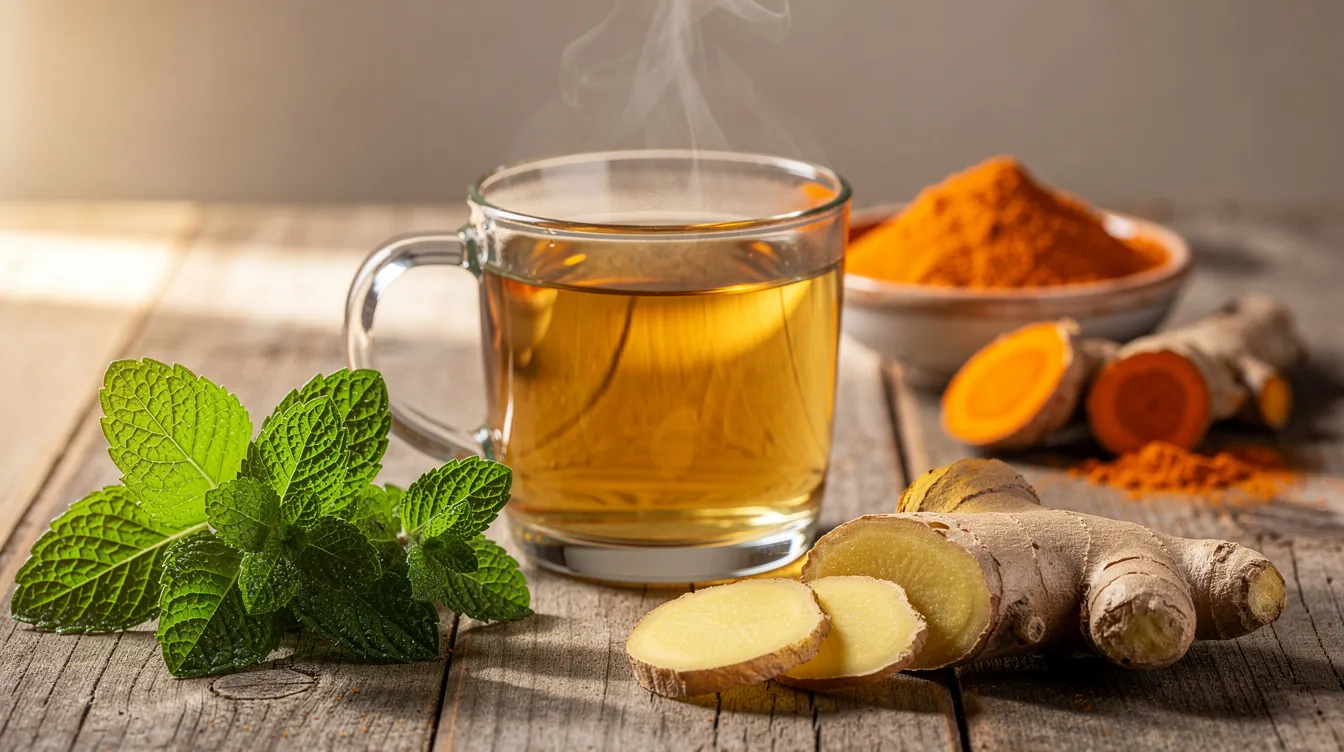
- Ginger: Ginger is widely used to ease nausea and vomiting and helps modulate gut microbiota composition.
- Turmeric/Curcumin: 500mg with black pepper can reduce inflammation and lower CRP by 30%.
- Deglycyrrhizinated Licorice (DGL): DGL is used to soothe the lining of the stomach and esophagus, potentially helping with heartburn and indigestion—without blood pressure effects.
- Fennel: Excellent for gas relief (60% improvement in trials).
Safety note: Avoid certain herbs in pregnancy or with blood thinners without medical guidance.
My evening ritual after hosting dinner parties? A cup of ginger or peppermint tea while cleaning up. It’s become a mindful practice that helps me wind down while supporting digestion.
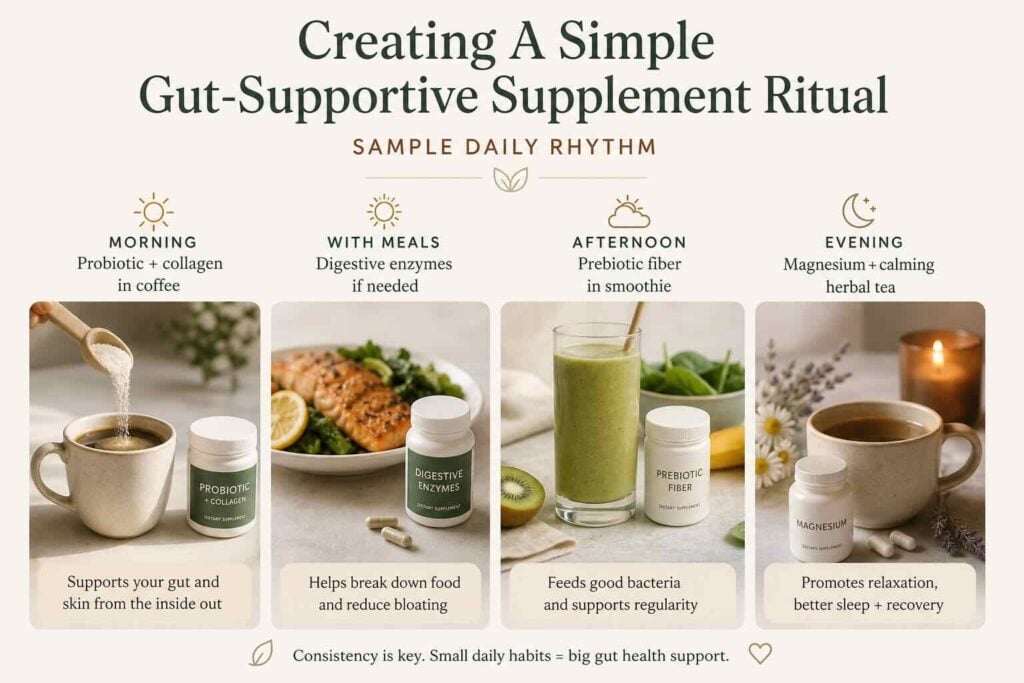
Creating A Simple Gut-Supportive Supplement Ritual
Sample daily rhythm:
- Morning: Probiotic + collagen in coffee
- With meals: Digestive enzymes if needed
- Afternoon: Prebiotic fiber in smoothie
- Evening: Magnesium + calming herbal tea
Start with just one or two categories. A pretty pill organizer or dedicated tea corner makes gut care feel like nurturing self-care rather than another chore.
Natural Habits That Make Gut Supplements Actually Work
Supplements are helpers, not magic wands. They shine brightest paired with lifestyle habits that support digestion naturally.
The non-negotiables:
- Diet diversity: Aim for 25–38 different plant types weekly to boost microbiome diversity by 30%. Prioritize whole grains, legumes, and certain foods rich in fiber.
- Stress management: Chronic high levels of stress can compromise gut health due to the release of certain hormones that affect the digestive system.
- Sleep: 7–9 hours protects your gut microbiota composition.
- Hydration: Staying hydrated is linked to increased diversity of bacteria in the gut.
- Mindful eating: Eating slowly and chewing food thoroughly can help reduce digestive discomfort and maintain a healthy gut.
- Movement: Even 20–30 minute walks support a healthy digestive system.
A diet high in processed foods and added sugars can decrease the amount of beneficial bacteria in your gut. Reducing the intake of processed, sugary, and high-fat foods is important for maintaining a healthy gut microbiome.
I noticed my supplements truly “kicked in” once I also slowed down at meals—phone-free dinners, chewing more thoroughly—and set better sleep boundaries in 2025. The combination transformed my overall well being.
Treat gut healing like a long-term relationship with your body. Celebrate small wins: one less bloated evening per week, more energy, better overall health. That’s progress.
Frequently Asked Questions About Gut Health Supplements
How long does it take for gut health supplements to start working?
Some supplements show effects quickly—magnesium or digestive enzymes may help within days. However, deeper microbiome shifts from probiotic supplements or prebiotics typically require 4–12 weeks of consistent use. Scientific evidence suggests giving any new supplement at least one full menstrual cycle (about 4 weeks) before evaluating. Track symptoms like bloating, regularity, energy, and mood in a journal to spot trends.
Can I take probiotics, prebiotics, and postbiotics together?
Many people do! Synbiotic blends combine pre- and probiotics, and adding postbiotics is generally compatible. However, start one new category at a time, spacing changes by 2–3 weeks. This helps you identify what’s helping versus causing discomfort. If you have IBS, IBD, SIBO, or other health conditions, discuss complex supplement stacks with your healthcare provider.
Are gut health supplements safe during pregnancy or breastfeeding?
Safety varies by ingredient and dose. Some probiotics and magnesium forms are commonly used in pregnancy, but certain herbs aren’t recommended. A healthy person still needs personalized advice from their OB-GYN or midwife before starting new supplements—including “natural” herbal blends. Focusing on food-based gut support (fiber, fermented foods, hydration) is usually the safest first step during these seasons.
What’s the best time of day to take gut health supplements?
General guidelines: probiotics often in the morning or with your first meal, digestive enzymes right before meals, prebiotic fiber with breakfast or lunch, magnesium in the evening, and botanicals when symptoms typically appear. Label directions take priority, and consistency matters more than perfect timing. Anchor supplements to existing habits—morning coffee, evening skincare—so they’re easy to remember.
How do I know if a gut supplement isn’t right for me?
Persistent or worsening bloating, pain, diarrhea, constipation, rashes, or mood changes after starting a supplement may signal it’s not your match. Stop one product at a time to see if symptoms clear. Seek medical advice if reactions include warning signs like blood in stool, severe cramps, or fever. It’s completely okay if a trendy supplement doesn’t suit your body—the National Institutes of Health emphasize that gut care should be personalized and gentle, not forced. Exercise regularly, focus on managing stress, and remember: not every supplement with a long shelf life or different strains is right for everyone.
Here’s to fewer bloated evenings and more “glow from within” days, gal. If you want to explore curated gut-friendly products, teas, and wellness tools, check out our Gal Pal Goods shop—because taking care of yourself should feel beautiful and intentional.