15 Biomarkers Linked to Longevity and Healthy Aging
I’ve always believed that aging well isn’t just about how you look — it’s about how you feel, how clearly you think, how strong you stay, and how fully you get to show up for the life you love. Discover the 15 key biomarkers linked to SuperAgers and healthy aging. Learn what to test, why they matter, and how to optimize your long-term health.
Lately, I’ve been deep in research around brain health, longevity, and metabolic markers, and I came across a study that truly stopped me in my tracks.

Researchers studied a group called SuperAgers — people who maintain exceptional cognitive function well into older age. Not just “doing okay,” but performing like people decades younger. They compared 39 SuperAgers with 42 typical agers, analyzed 55 common and advanced biomarkers, and then used machine learning to identify the markers most strongly linked to preserved brain function.
Key Takeaways
- Aging well involves not just appearance but how one feels, thinks, and engages in life.
- Research on SuperAgers reveals 15 key biomarkers linked to exceptional cognitive function in older adults.
- Most biomarkers fall within normal ranges yet cluster near extremes, indicating that normal isn’t always optimal for brain longevity.
- Prioritize glucose management, HDL levels, liver health, and track trends over time for better cognitive health.
- Understanding these biomarkers empowers individuals to influence their brain health and aging positively.
Fifteen biomarkers stood out.
And here’s what surprised me most:
Most of these markers were technically within normal lab ranges — but clustered near the high or low edges. A few even exceeded what we usually consider “ideal.”
It made something click for me:
👉 Normal doesn’t always mean optimal — especially when it comes to brain longevity.
Below are the 15 biomarkers linked to SuperAger status, explained two ways:
• what the research shows
• what it means in real-life, plain English
If you’ve ever met someone in their 70s or 80s who is still sharp, vibrant, curious, and fully engaged in life, you know exactly what researchers now call a “SuperAger.” My mother is one of those blessed “SuperAger”.
These are people whose brains seem to age differently. Their memory, focus, and processing speed can look decades younger than their actual age. Naturally, scientists are asking the same question we all are:
What are they doing differently?
A recent study identified 15 biomarkers (basically measurable signals in your blood) that seem to show up more often in people aging with exceptional cognitive health. While this doesn’t mean these markers cause better brain aging, they give us fascinating clues about again.

The 15 Biomarkers Linked to SuperAgers (Explained Simply)
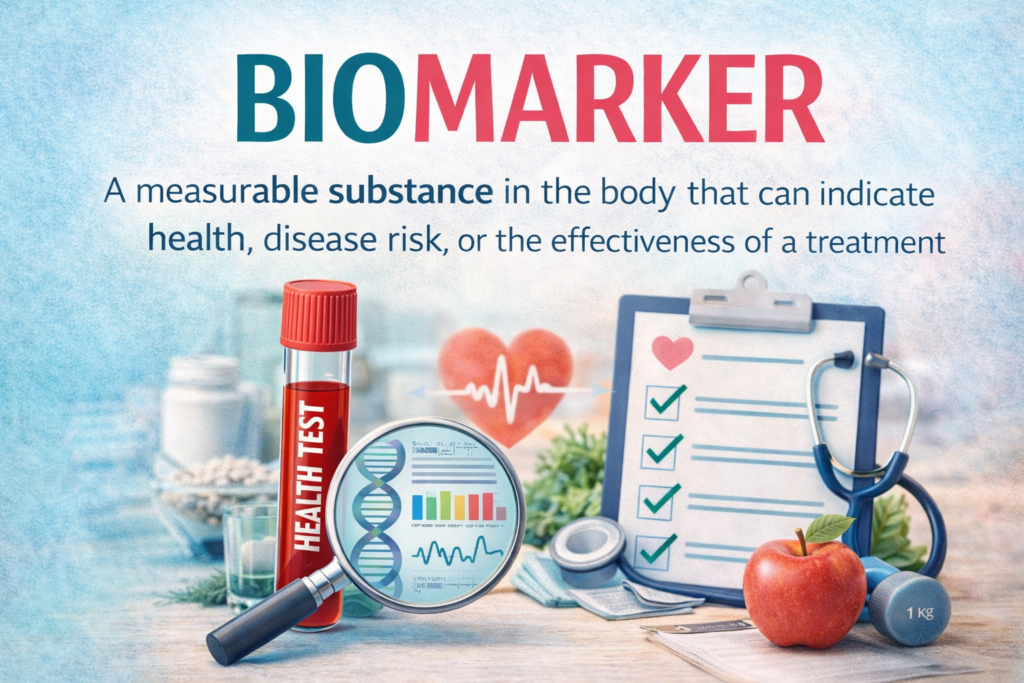
The following are the top biomarkers that test your biological age and how you can be as healthy as possible. Biomarkers are measurable signals in your blood or body that show how healthy you really are—and where you may need to pay attention before problems start.
1. Glucose
What the research shows:
Glucose had bidirectional effects. Lower fasting glucose (under ~92 mg/dL) supported attention and visual memory, while slightly higher levels (above 100 mg/dL) were linked to better verbal memory and executive function. According to the NIH study , diabetes was associated with worse memory, visual perception, and attention performance; increased WMH; and decreased total cerebral brain and occipital lobar gray matter volumes.
In simple terms:
Glucose is sugar in your blood. Your brain needs it for energy — but balance matters. Too high or too low can affect focus and memory differently.
2. HDL Cholesterol
What the research shows:
Higher HDL (above 54 mg/dL — especially above 60 for women) strongly supported classification and better performance across memory, language, and frontal brain function.Higher HDL (>54 mg/dL, particularly >60 for women) consistently contributed to SuperAger classification and supported performance across language, memory, and frontal domains. This threshold exceeds standard cardiovascular targets.
In simple terms:
HDL is “good” cholesterol. It helps keep blood vessels clear so oxygen and nutrients can get to your brain.
3. ALT (Alanine Aminotransferase)
What the research shows:
ALT levels above 17 U/L were linked to better frontal and visuospatial brain function, suggesting liver health quietly supports brain resilience.
In simple terms:
ALT is a liver enzyme. A healthy liver helps clean your blood — and that helps your brain too.
4. MCHC (Mean Corpuscular Hemoglobin Concentration)
What the research shows:
Lower MCHC values were associated with positive longevity status, though the exact reason isn’t fully understood yet.
In simple terms:
This measures how much oxygen-carrying hemoglobin is packed into your red blood cells. Healthy blood cells help deliver oxygen to your brain.
5. AGE (Advanced Glycation End-products)
What the research shows:
When researchers tested the memory and thinking skills of 81 people, those whose brains stayed sharper with age performed better in almost every area. The only area that didn’t differ much was attention. When blood tests were compared, several markers stood out — especially blood sugar, chloride, and a thyroid hormone — showing clear differences between the two groups.
In simple terms:
AGEs form when sugar sticks to proteins in your body. They’re linked to aging and inflammation — but this research shows the story isn’t black and white.
6. oxLDL (Oxidized LDL)
What the research shows:
oxLDL is a damaged form of LDL cholesterol. LDL on its own isn’t the whole problem — it becomes more harmful when it’s oxidized, meaning it’s been damaged by things like inflammation, stress, or poor metabolic health.
In this research, lower levels of oxLDL were more common in people whose brains stayed sharp as they aged. Those with lower oxLDL also performed better on tasks that involved:
- visual memory
- spatial awareness (understanding shapes, distances, and locations)
In simple terms:
This is damaged cholesterol. Less damage means healthier blood vessels and better blood flow to the brain.
7. CD36
What is CD36? CD36 is a protein found on the surface of certain cells in your body. It’s main job is to help move fats and fatty acids into cells and to help the body respond to inflammation and immune signals.
What the research shows:
CD36 levels above 40 ng/mL were associated with stronger visual memory and visuospatial skills.
In simple terms:
CD36 helps your body move fats into cells and plays a role in inflammation — both important for brain health.
8. Insulin (and Insulin Sensitivity)
What the research shows:
Higher insulin levels weren’t better. In fact, insulin sensitivity — how well your cells respond — mattered more for cognitive performance.
In simple terms:
Insulin helps move sugar into your cells. When your body uses insulin well, your brain gets steady fuel and stays sharp.
9. Phosphorus
What the research shows:
Phosphorus was linked to visuospatial brain function and likely supports neuronal signaling.
In simple terms:
Phosphorus is a mineral your brain cells use to communicate and make energy.
10. LDL Cholesterol
What the research shows:
Extremely low LDL levels weren’t always beneficial. The impact varied depending on the cognitive domain.
In simple terms:
LDL isn’t all bad. Your brain needs some cholesterol — it’s about balance, not chasing the lowest number.
11. RDW (Red Cell Distribution Width)
What the research shows:
Lower variation in red blood cell size was linked to better visuospatial performance.
In simple terms:
More consistent red blood cells usually mean better circulation and overall health.
12. Chloride
What the research shows:
Chloride levels slightly above standard ranges helped predict SuperAger status.
In simple terms:
Chloride is an electrolyte. It helps nerves send signals and keeps fluids balanced in your body and brain.
13. Leptin
What the research shows:
Leptin emerged as a key predictive biomarker tied to metabolic regulation.
In simple terms:
Leptin helps control hunger and energy use and connects metabolism with brain health.
14. Vimentin
What the research shows:
Vimentin was associated with visual brain domains and included in the final SuperAger model.
In simple terms:
Vimentin is involved in inflammation and immune response — both important in aging.
15. RAGE (Receptor for Advanced Glycation End-products)
What the research shows:
RAGE plays a role in inflammation triggered by sugar-related damage and is tied to cognitive aging. RAGE is a receptor — think of it like a switch or alarm — found on the surface of cells in your body, including brain and blood vessel cells.
Its job is to recognize damage caused when sugar sticks to proteins, which creates compounds called advanced glycation end-products (AGEs).
In simple terms:
RAGE is like an alarm for inflammation. When it’s too active, it can affect brain health.
The Bigger Insight I Took Away
None of these biomarkers screamed, “Something is wrong.” They lived near the edges of normal — suggesting that brain resilience may be built quietly, long before decline shows up.
This isn’t about fear. It’s about curiosity. It’s about using information to age with intention instead of surprise.
What I’m Personally Taking From This
This research reinforced a few things for me:
• I pay attention to glucose and insulin sensitivity, not just “normal” labs
• I care about raising HDL, not just lowering LDL
• I support my liver with real food and less processing
• I track trends over time, not one-off numbers
• I bring better questions to my doctor — not panic
The Bottom Line
Your brain health doesn’t just live in your head.
It lives in your blood, your metabolism, your daily habits — and the small choices you make consistently.
And honestly? That’s good news.
Because it means you have more influence than you think over how sharp, vibrant, and strong your future can be.
This content is for educational and inspirational purposes only and reflects my personal research and curiosity around longevity, brain health, and wellness. I am not a medical professional, and this is not medical advice. Biomarkers and lab values are highly individual, and what’s optimal for one person may not be right for another. Always consult with your healthcare provider before making changes to your health routine, testing, or treatment plans. My goal is to help you feel informed, empowered, and confident asking better questions about your health — not to diagnose or prescribe.
Why get biomarker testing?
1. Catch problems early 🔬
Many diseases (heart disease, diabetes, inflammation) start years before symptoms. Biomarkers can show risk early so you can course-correct.
2. Understand your real biological age
Your chronological age might be 52, but your biomarkers might show your body functioning like 45…or 60. This is often called biological age testing.
3. Personalize your health plan
Instead of guessing what supplements, diet, or workouts you need, biomarkers help you target what your body actually needs.
4. Track your longevity progress
If you are investing in wellness (like you often write about with longevity testing, supplements, skincare, and lifestyle optimization), biomarkers show if it is actually working.
5. Optimize energy, brain health, and metabolism
Many “I just feel off” symptoms connect to things like:
- Vitamin deficiencies
- Blood sugar issues
- Thyroid imbalance
- Hormones
- Inflammation
6. Reduce long-term disease risk
Many longevity doctors focus on these to reduce risk of:
- Heart disease
- Cognitive decline
- Metabolic disease
- Autoimmune issues
7. Take control of your health instead of guessing
This is why companies like Function Health, Superpower, and InsideTracker are growing so fast—they focus on preventative health instead of reactive medicine.