10 Daily Habits to Slow Biological Aging for Longevity
Here are the 10 simple habits I’m focusing on right now to slow biological aging for longevity. These daily habits help you feel younger from the inside out. Do these simple things to lower your biological age. I talk about about biological aging and how and why I test my own biological age. In this post, see some simple things everyone can do to feel and look younger. It’s about aging well friends.
If you had asked me a few years ago what aging well meant, I probably would have said good skincare, exercise, and maybe drinking more water. But after learning more about biological age vs chronological age, my perspective completely shifted.
Aging isn’t just about how many birthdays we’ve had. It’s about how our cells function, how our metabolism works, and how strong and resilient our bodies remain. We all want to age well. We want to feel healthy and strong for as long as possible.
After doing my own biological age testing three times now, I am sold on the ability we have to change how we age. Diving into longevity research, I started to look at aging differently. Our lifestyle and what we eat matters! It’s the little lifestyle habits that can support a younger biological age.
Nothing extreme. Just smart daily habits that research continues to support. Below I share my habits and supplements I take daily.
Table of contents
- 1. Protect Your Sacred Sleep
- 2. Eat More Protein To Protect Muscle
- 4. Walk Daily (especially after meals)
- 5. Supporting Gut Health To Reduce Inflammation
- 6. Test Your Biomarkers
- 7. Support Cellular Energy With NAD Supplements
- 8. Taking Creatine To Support Muscle and Brain Health
- 9. Fill Nutrition Gaps With foundational Supplements
- 10. Protect Your Energy By Managing Stress
How To Test Your Biological Age:
Biological age testing measures how well your body is aging compared to your actual age by analyzing biomarkers like inflammation, metabolism, and cellular health. These tests can help identify lifestyle changes that may slow aging and improve long-term health by checking your bio-markers.
Here are a few top companies that can test for you:
I have done several blood tests to check my Biological age and have found that these lifestyle habits are helping me stay active, strong, healthy and my blood work when tested younger biologically.

1. Protect Your Sacred Sleep
Poor sleep is linked to faster biological aging, inflammation, hormone imbalance, cognitive decline, and metabolic issues.
What helps me:
• Consistent bedtime
• Limiting screens at night
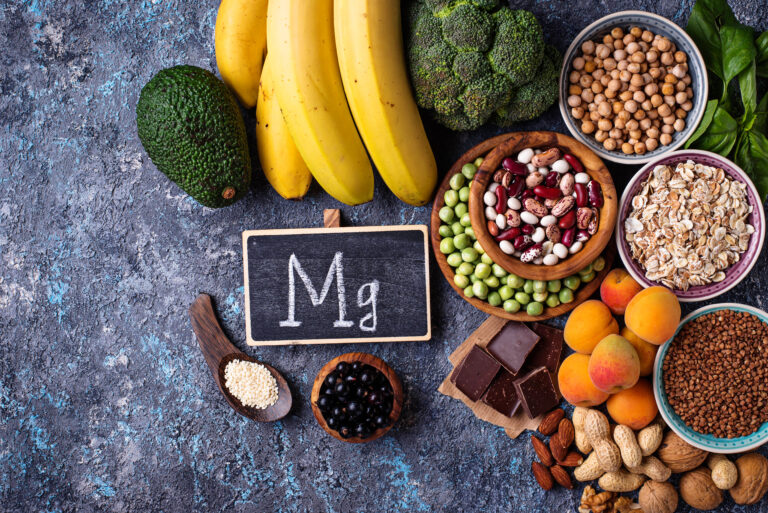
• Magnesium support
• Morning sunlight
• Cooler bedroom temperatures
2. Eat More Protein To Protect Muscle
Women naturally lose muscle after 35, and muscle mass is one of the biggest predictors of longevity.
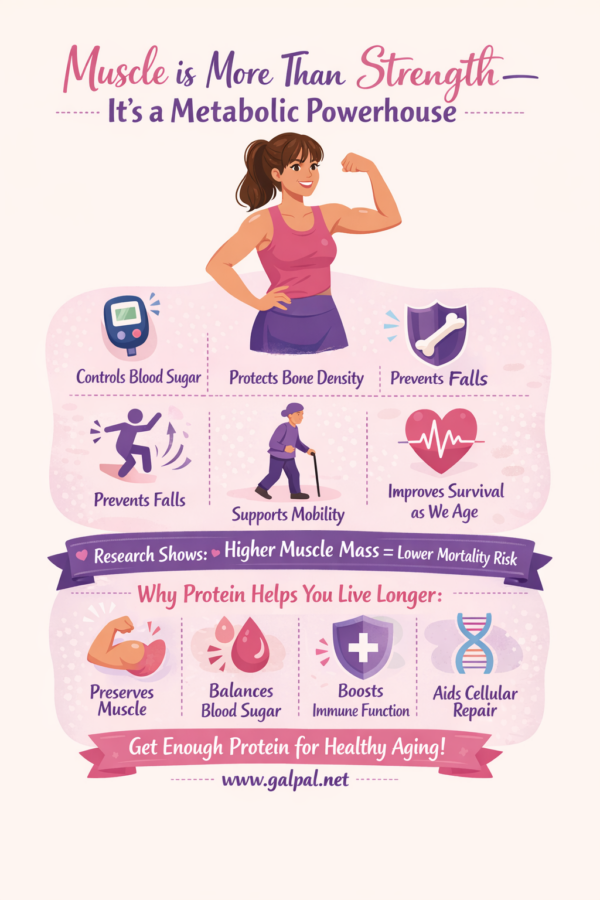
Why Protein Helps You Live Longer
Protein prevents age-related muscle loss (the biggest aging risk most people ignore)
After age 30, we naturally lose 3–8% of muscle per decade unless we actively maintain it. This is called sarcopenia.
Why this matters for longevity:
Muscle is not just for strength — it is a metabolic organ that:
- Controls blood sugar
- Protects bone density
- Prevents falls
- Supports mobility
- Improves survival rates as we age
Research consistently shows:
Higher muscle mass = lower mortality risk
Why protein helps you live longer:
Protein supports the systems that most influence healthy aging. It helps preserve muscle (which protects metabolism and prevents frailty), stabilizes blood sugar, supports immune function, and provides the amino acids your body needs for cellular repair. As we age, getting enough protein becomes essential for maintaining strength, mobility, and overall healthspan—not just lifespan.
Even shorter version (if you want a quick blog sentence):
Protein helps you live longer because it preserves muscle, supports metabolism, and gives your body the building blocks it needs to repair and stay strong as you age.
My go‑tos:
• Eggs
• Greek yogurt
• Salmon
• Clean protein powders
• Collagen
3. Strength Training For Healthy Aging
Strength training supports bone density, balance, mobility, and independence.
Why Strength Training Is One of the Most Important Things You Can Do for Longevity
If there is one habit that consistently shows up in longevity research, it’s strength training. Not because it’s about aesthetics, but because it protects the systems that determine how well we age.
After age 30, we naturally begin to lose muscle mass unless we actively work to maintain it. This age-related muscle loss is one of the biggest drivers of fatigue, slower metabolism, balance issues, and loss of independence later in life.
The good news? Strength training is one of the most effective ways to slow biological aging.
Strength training helps you:
- Maintain muscle mass (a key predictor of longevity)
- Support healthy blood sugar levels
- Improve bone density
- Protect metabolism
- Reduce risk of falls
- Support joint stability
- Improve posture and mobility
- Increase energy levels
Researchers now consider muscle one of the most important longevity organs because it helps regulate inflammation, glucose, and metabolic health.
I focus on:
• Light weights
• Resistance bands
• Pilates strength work
• Bodyweight exercises
4. Walk Daily (especially after meals)
Walking helps regulate blood sugar, support metabolism, improve digestion, and reduce inflammation.
How I’m Adding More Daily Steps for Longevity
One of the simplest ways I support healthy aging is by moving more throughout the day. Walking supports heart health, metabolism, mobility, and energy levels, and it’s one of the easiest longevity habits to stay consistent with.
I try to think less about “exercise” and more about daily movement.
Simple ways I increase my steps:
- Morning or evening walks
- Walking after meals to support blood sugar
- Taking calls while walking
- Choosing stairs when possible
- Parking farther away
- Gardening and house projects
Golf is also a great step builder
Golf is one of my favorite ways to stay active because it combines walking, fresh air, balance, and social connection. Walking even part of the course can add thousands of steps without it feeling like a workout.
My simple movement goal:
I aim for consistent movement rather than a perfect number. Research shows 6,000–8,000 daily steps can support healthy aging.
My mindset:
Move more, sit less, and build movement naturally into everyday life.
I aim for a short walk after dinner whenever possible.
5. Supporting Gut Health To Reduce Inflammation
Gut health influences immunity, inflammation, nutrient absorption, brain health, and skin.
Why gut health matters for longevity:
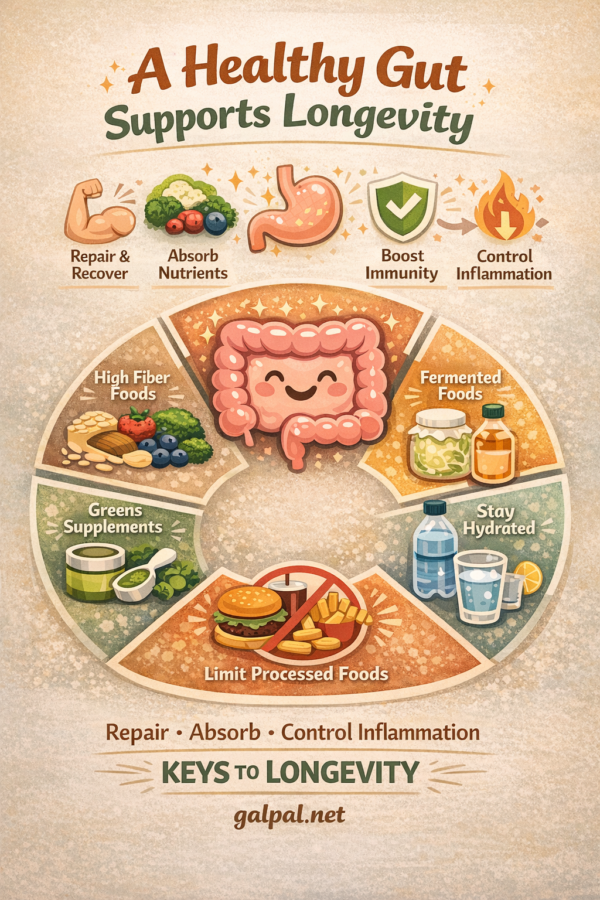
Gut health plays a major role in healthy aging because it affects inflammation, immunity, nutrient absorption, and metabolism. A balanced gut microbiome helps your body absorb protein and key nutrients, regulate blood sugar, and reduce chronic inflammation—all important factors in supporting a longer healthspan.
Simple takeaway:
A healthy gut helps your body repair, absorb nutrients, and control inflammation, which are all essential for longevity.
My focus:
• Fiber
• Fermented foods
• Greens supplements
• Hydration
• Reducing ultra‑processed foods
6. Test Your Biomarkers
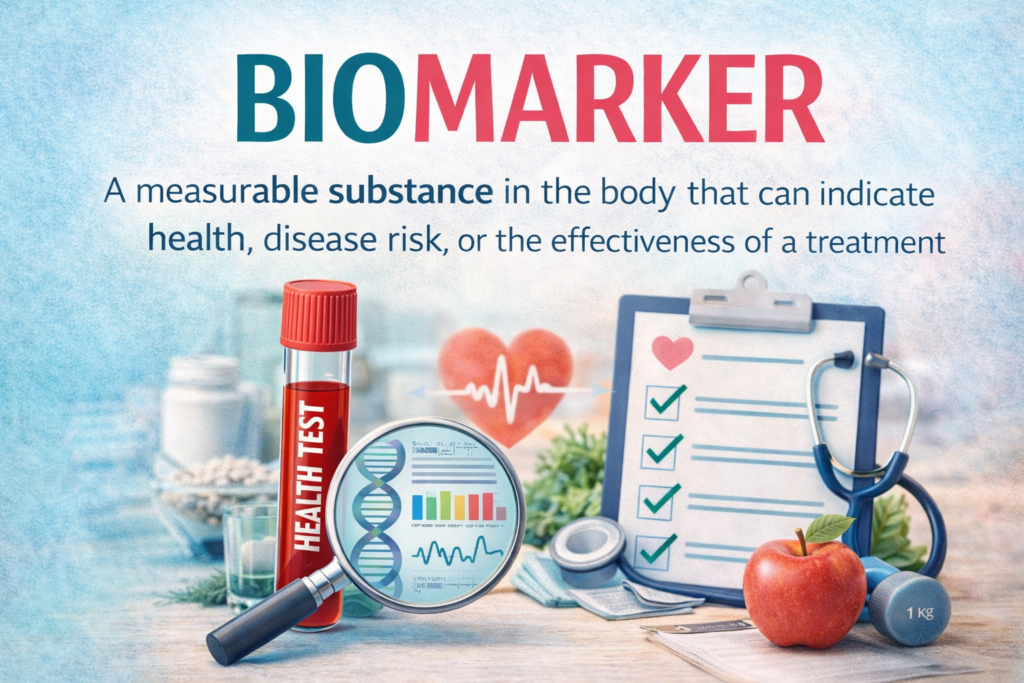
Health testing can reveal inflammation, vitamin deficiencies, metabolic health, cardiovascular risk, and aging indicators.
How I’m Testing My Biomarkers:
Here are a few top companies that can test for you:
If you really want to understand your biological age, testing your biomarkers is one of the smartest places to start. These advanced lab panels can give insight into inflammation, metabolic health, nutrient levels, and other key markers that influence how well you’re aging.
Some of the most talked-about companies right now include Function Health, InsideTracker, TruDiagnostic, and GlycanAge, all of which focus on helping you understand what’s happening inside your body so you can make more informed wellness decisions. I love that this type of testing shifts the conversation from reacting to health issues to being proactive about longevity.
Simple takeaway: Knowledge is power, and understanding your biomarkers can help you make smarter choices to support your future health.
What gets measured gets improved.
7. Support Cellular Energy With NAD Supplements
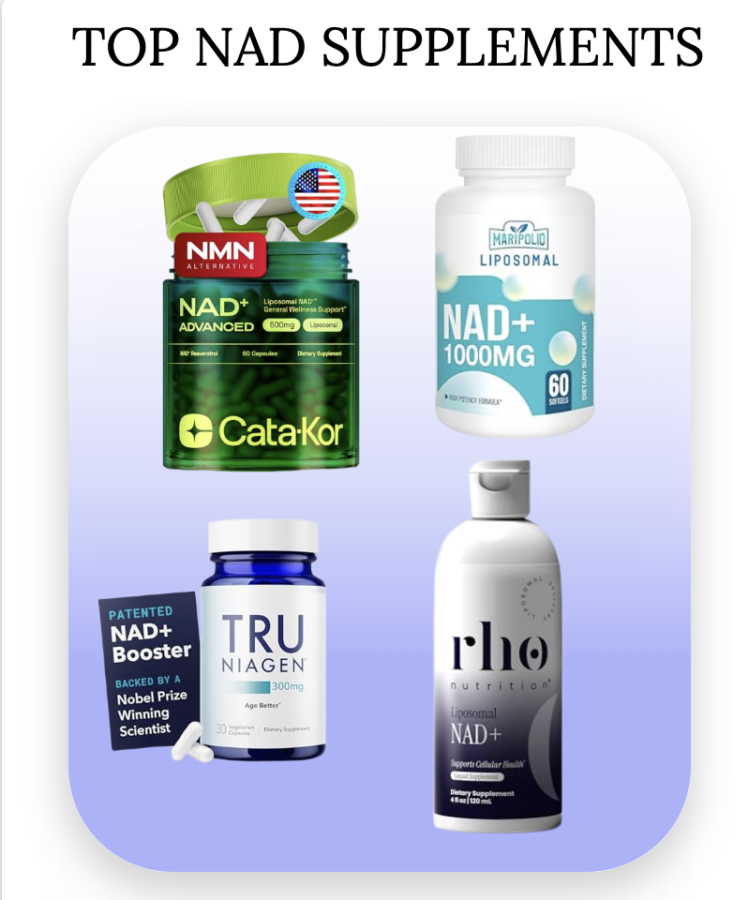
NAD supports cellular repair, mitochondrial energy, DNA repair, and metabolic health.
Why NAD Is Linked to Longevity
NAD (nicotinamide adenine dinucleotide) is a coenzyme your body needs to produce energy, repair DNA, and support healthy cell function. The challenge is that NAD levels naturally decline as we age, which researchers believe may contribute to fatigue, slower recovery, and many visible and invisible signs of aging.
Supporting NAD levels—through lifestyle habits or supplements like NR or NMN—may help improve cellular energy, support repair processes, and promote healthier aging. While research is still evolving, NAD is gaining attention because it works at the cellular level, where aging actually begins.
Simple takeaway:
NAD helps fuel your cells and support repair, which is why it’s becoming a popular supplement in longevity routines.
Many longevity experts discuss NMN and NR as NAD precursors that may support healthy aging.
8. Taking Creatine To Support Muscle and Brain Health
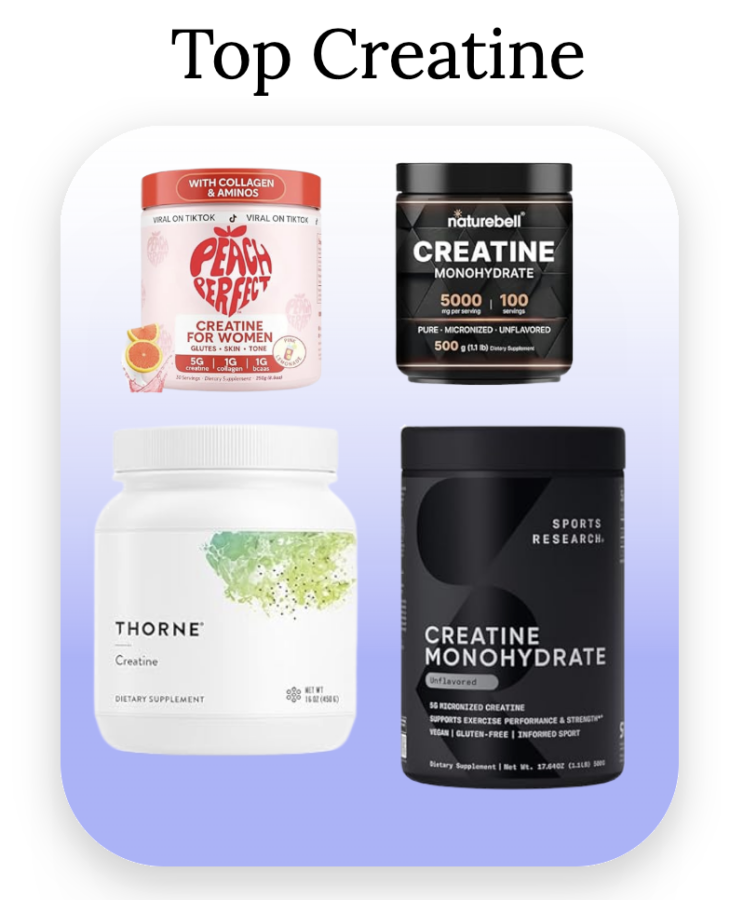
Creatine is increasingly recommended for women over 40 to support muscle strength, recovery, cognitive function, and energy production. See more top creatine products here.
Why Creatine Is Helpful for Longevity
Creatine isn’t just for athletes anymore—it’s becoming one of the most talked-about supplements for healthy aging. Creatine helps your body produce cellular energy (ATP), which supports muscle strength, brain health, and recovery. As we age, maintaining muscle becomes critical for metabolism, balance, and independence, and creatine can help support that process when paired with adequate protein and strength training.
Research also suggests creatine may support cognitive function, bone health, and overall energy levels, making it a simple addition to a longevity-focused routine.
Simple takeaway:
Creatine helps support muscle, brain energy, and strength—three key factors in staying active and aging well.
I focus on creatine to support strength and resilience as I age.
9. Fill Nutrition Gaps With foundational Supplements
Why These Supplements Are Part of My Longevity Foundation
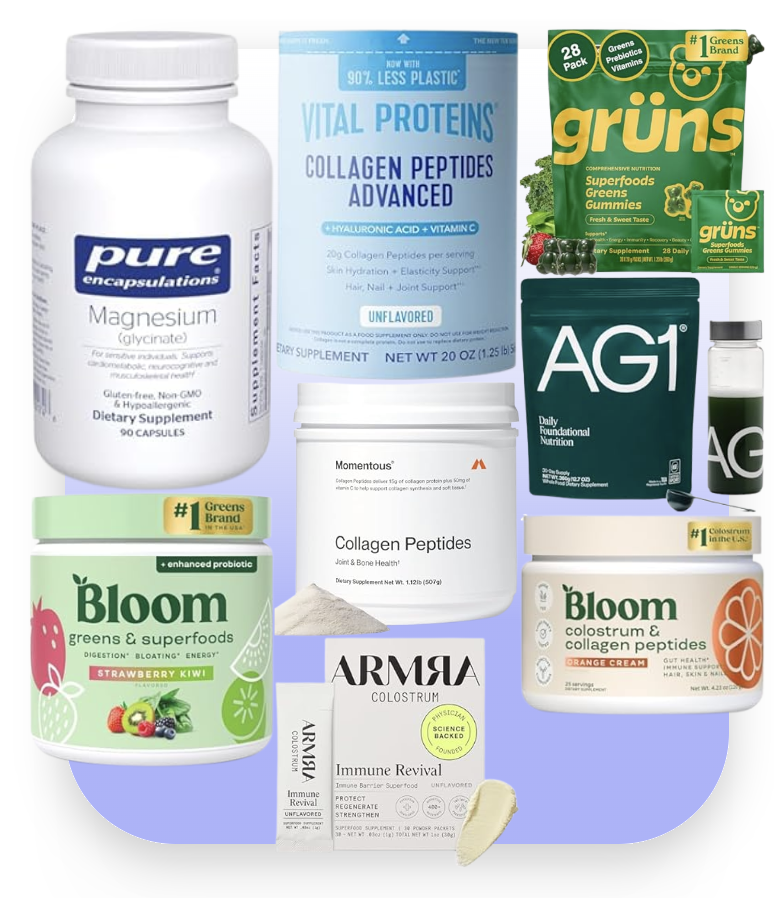
While supplements can’t replace good nutrition and lifestyle habits, I think of a few basics as daily insurance to support healthy aging. My foundation focuses on reducing inflammation, supporting recovery, and making sure my body has the nutrients it needs to function well.
Here’s why I focus on these:
• Omega-3 → Supports heart health, brain function, and helps reduce inflammation linked to aging
• Magnesium → Helps with sleep, stress regulation, muscle recovery, and energy production
• Vitamin D → Supports immune health, bone strength, and mood balance (many women are low)
• Collagen → Supports skin, joints, bones, and connective tissue as natural production declines with age
• Greens supplements → Helps fill nutritional gaps and supports gut health and detox pathways
• Colostrum → Supports gut lining, immune health, and recovery, which all play a role in healthy aging
Simple takeaway:
I think of these as foundational nutrients that help support recovery, reduce inflammation, and give my body the building blocks it needs to age well.
Supplements support lifestyle — they don’t replace it.
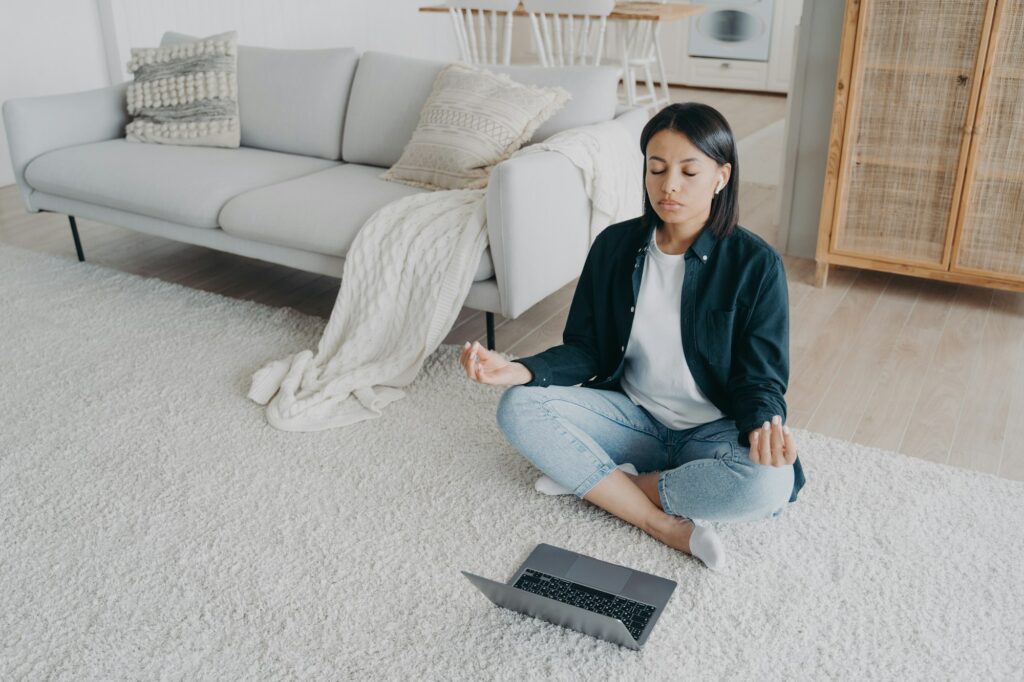
10. Protect Your Energy By Managing Stress
Chronic stress accelerates aging through inflammation and cortisol.
What helps me:
• Sauna time
• Time with friends
• Getting outside
• Laughter
• Quiet moments
My Biggest Takeaway
Aging well isn’t about chasing youth. It’s about protecting strength, energy, and vitality.
If you want to start:
• Improve sleep
• Eat more protein
• Move daily
• Reduce stress
Longevity is built through small habits repeated over time. It is never too late to start supporting how well you age.