How To Experience Latvia Like a Local: A Personal Travel Guide
I just returned from my annual trip to Latvia. My mother was born in Latvia before she escaped during World War II. We have been visiting Latvia to see family and friends for decades. That’s the lens so you can experience Latvia like a local. From the pirts sauna ritual, Michelin dining, Old Riga’s history, and the food and customs.
Key Takeaways
- Learn key Latvian phrases to enhance your experience, especially outside Riga’s tourist areas.
- Dress practically for walking, as Old Riga’s cobblestone streets and changing weather require comfortable shoes and layered clothing.
- Visit key museums to understand Latvia’s history, including the Museum of the Occupation and the Latvian War Museum.
- Experience traditional activities like the pirts, local bakeries, and Riga’s Central Market to immerse yourself in Latvian culture.
- Try fine dining at Michelin restaurants like Max Cekot Kitchen and local specialties like pīrāgi and rye bread to eat like a local.
Learn a Few Words Before You Go
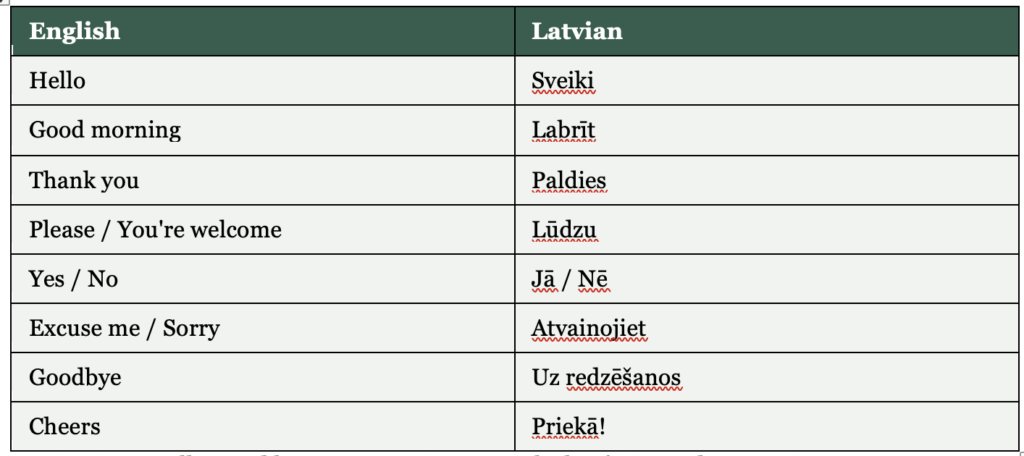
You don’t need fluency, but a handful of Latvian words go a long way. Language/culture: basic Latvian phrases are below:
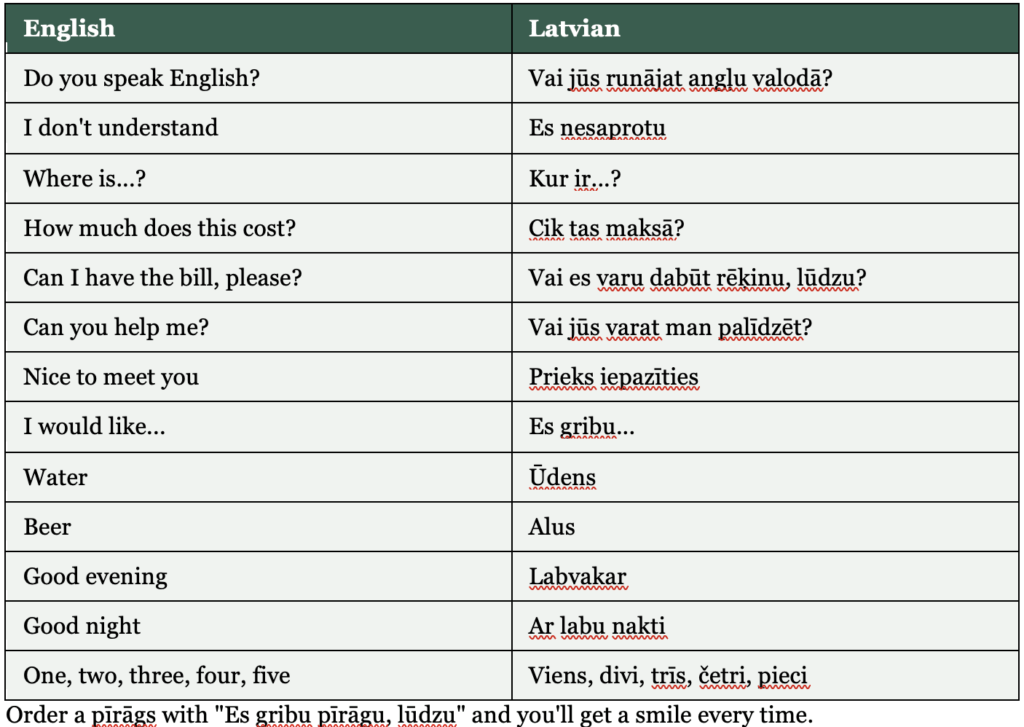
Latvian is a small, proud language so if you try to speak a little Latvian it will go a long way.
Dress the Part, and Plan on Walking
Latvians dress well but practically, and the country itself asks you to move on foot . Old Riga is cobblestone from end to end, the weather can shift within an hour, and the best things here aren’t drive-up attractions. Pack real walking shoes, layers you can add or shed, and a proper coat even in shoulder season. Leave the outfit that only works for photos at home; you’ll be glad for it three hours into a walk.
Learn the History First — and You’ll Understand Why Latvians Love This Country So Fiercely
Latvia first declared independence on November 18, 1918. That freedom lasted barely two decades before the country was occupied three times in one generation — by the Soviet Union in 1940, by Nazi Germany from 1941 to 1944, then by the Soviet Union again until 1991 — with mass deportations to Siberia in 1941 and 1949 that tore families apart. My mother’s own escape during WWII was part of that history, not separate from it.
What makes Latvians who they are today is how that freedom was won back. In1987, people protested through song reviving banned national hymns in public squares in what’s now called the Singing Revolution.
Freedom Is Something To Celebrate In Latvia
On August 23, 1989, roughly two million people across Latvia, Estonia, and Lithuania joined hands in a human chain stretching more than 600 kilometers from Tallinn through Riga to Vilnius — the Baltic Way. In January 1991, Latvians built barricades in the streets of Riga to physically protect government buildings from Soviet troops, and several people died doing it. On August 21, 1991, independence was fully restored.
This is also why the Nationwide Latvian Song and Dance Celebration matters so much here. Held every five years since 1873 and recognized by UNESCO as Intangible Cultural Heritage, it gathers more than 30,000 singers and dancers — Latvians are, genuinely, “a singing nation,” and this festival carried their identity through decades of occupation when almost nothing else could. If your visit ever lines up with it, go.
Stand at the Freedom Monument (Brīvības piemineklis) in the center of Riga and you’ll usually find fresh flowers at its base, placed by ordinary Latvians, not tour groups. Knowing this history before you go changes how you see the country — the pride here isn’t performative, it’s earned.
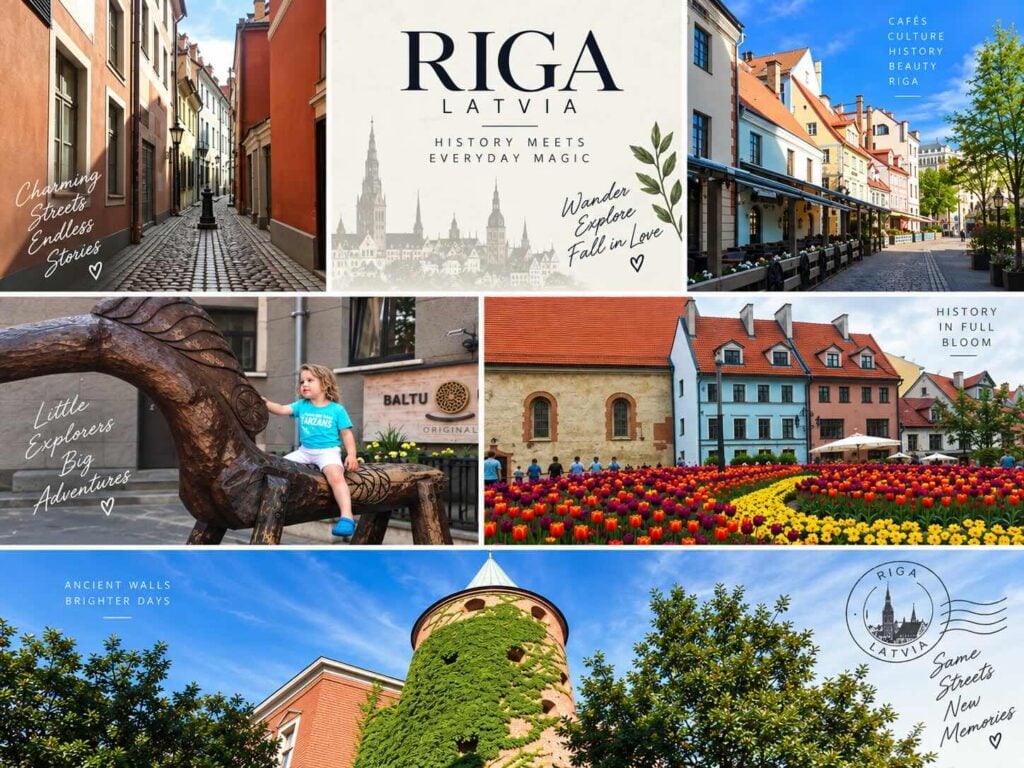
Get Lost in Old Riga (Vecrīga) — and Slow Down for the Architecture
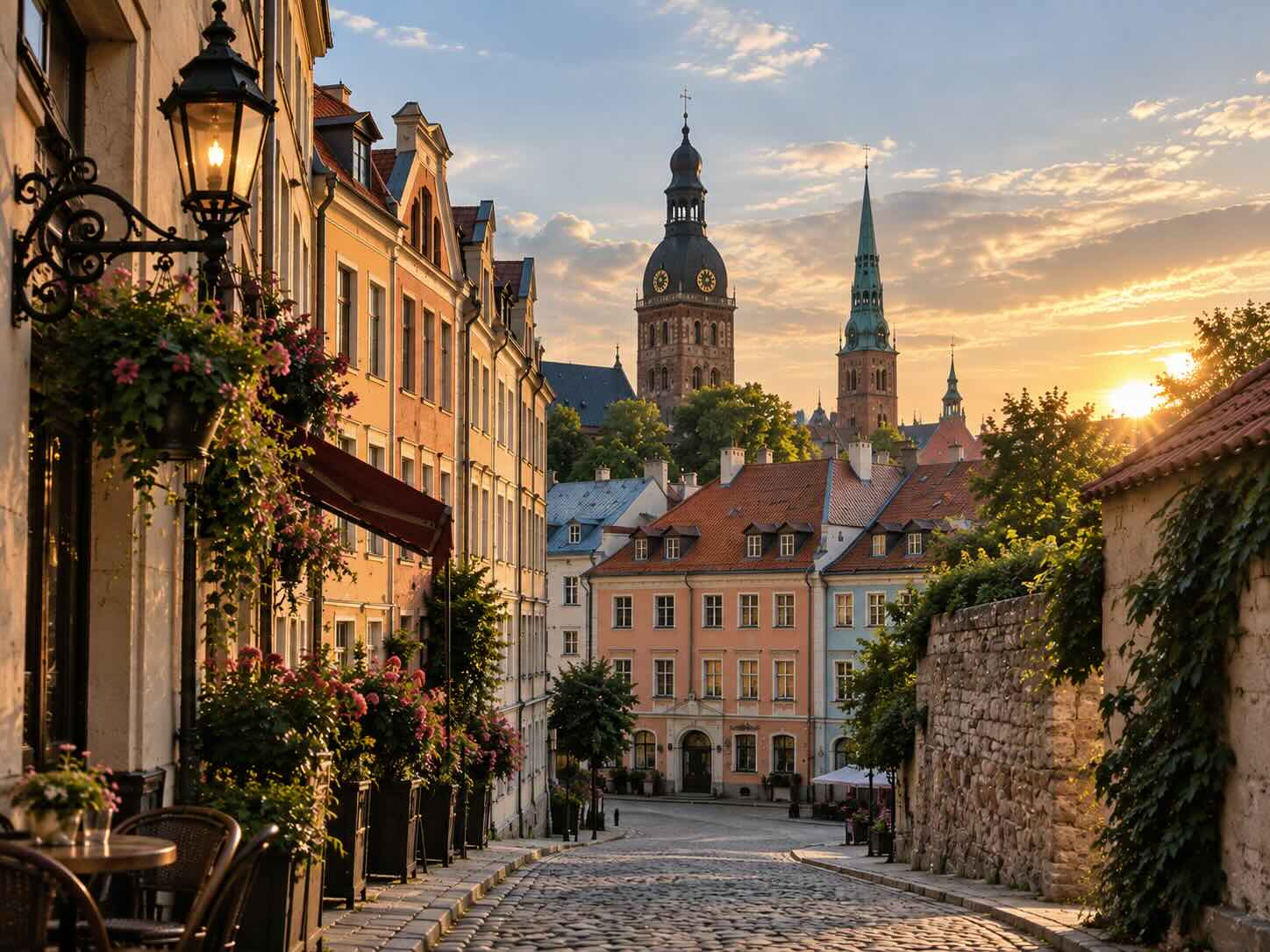
Give yourself an unstructured day here. Old Riga is compact enough to walk in full but layered enough that a map undersells it — narrow medieval streets open into quiet courtyards, and church spires anchor the skyline. Locals will tell you the same thing I will: don’t over-plan this part. Walk until something pulls you off the main street.
Once you’re past the medieval core, pay attention to the buildings themselves. Roughly a third of all buildings in central Riga are Art Nouveau (Jugendstil) — the highest concentration anywhere in the world. Walk down Alberta iela to see the elaborate facades designed by architect Mikhail Eisenstein. Then step into the Riga Art Nouveau Centre to see how people actually lived inside them. Riga’s Historic Centre holds UNESCO World Heritage status precisely because of this mix — medieval streets, 19th-century wooden houses, and Art Nouveau facades within a few blocks of each other.
Visit the Museums That Explain It All
A few hours in the right museums does more for your understanding of Latvia than a week of sightseeing without context:
- Museum of the Occupation of Latvia — walks through the 1940–1991 Soviet and Nazi occupations; essential, sobering, and directly tied to the history above.
- Latvian War Museum — housed in a historic tower, covering Latvia’s military history from medieval times through both World Wars and the fight for independence.
- National History Museum of Latvia — the country’s largest historical collection, spanning ancient times to the 20th century.
- Riga Art Nouveau Centre (Alberta iela 12) — set inside an original Art Nouveau building, furnished as it would have looked in the early 1900s.
- Latvian Ethnographic Open-Air Museum — 118 historic wooden buildings gathered from across the country’s regions; the best way to understand rural Latvian life before you ever saw a city street.
Shop the Riga Central Market Like a Local
Riga’s Central Market (Centrāltirgus) is set inside five former German Zeppelin hangars, built in 1913–1917 and reassembled here in the 1920s — it’s one of the largest covered markets in Europe and has UNESCO recognition alongside the Historic Centre.
Locals come for fresh produce, smoked fish, honey, and pickled vegetables, and it doubles as a genuine cultural crossroads where Riga’s different communities actually mix. If you want to buy amber while you’re here, do it from a specialist rather than a tourist-strip souvenir stand — real Baltic amber is warm to the touch and light for its size, and a knowledgeable seller will tell you which region it’s from.
Go to the Pirts — and Understand Why It’s Not Just a Sauna
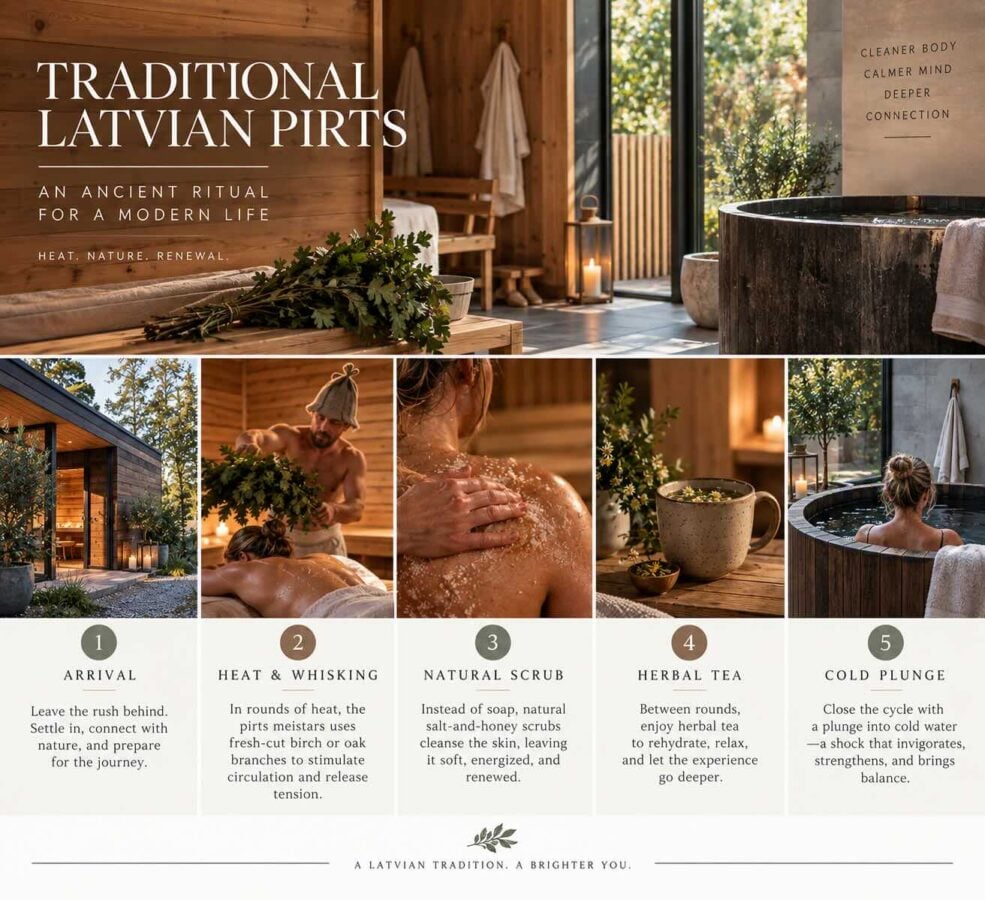
Skip the hotel spa sauna. The Latvian pirts is a centuries-old ritual, not a quick sweat, and treating it like one means missing the point entirely. I was able to experience a traditional pirts ritual. It’s like nothing you have ever experienced.
A full session runs three to five hours, typically guided by a pirts meistars (bath attendant) who leads you through rounds of heat, whisking with fresh-cut birch or oak branches to stimulate circulation, natural salt-and-honey scrubs used instead of soap, herbal tea between rounds, and a cold plunge to close the cycle.
In Latvian folklore, the goddesses Māra and Laima are said to be present during bathing, especially around major life transitions — documented as far back as the 13th-century Chronicle of Henry of Livonia. Latvians don’t see this as a wellness trend; they see it as care, traditionally shared communally. Book a dedicated pirts house and go in with the time it deserves.
Eat Like a Local: Bakeries, Pīrāgi, Rye Bread, and Yes — Try the Sauerkraut
Find a real neighborhood bakery and order pīrāgi. Warm, yeasted buns filled with bacon and onion, a genuine Latvian staple, not a tourist snack. Order skābēti kāposti (sauerkraut) somewhere too. It’s a real, everyday part of Latvian cooking, often stewed with caraway or served alongside pork, not a side note.
And ask for real rupjmaize. It is dense, dark Latvian rye bread, made from coarse rye flour, malt, and caraway, with roots going back over 1,200 years. This isn’t a side item; it’s close to sacred. Older Latvian households still mark a loaf with a cross before baking. Homemade rye bread is one of the most quietly meaningful things you can eat here.
What surprises most visitors: Latvia isn’t only Latvian food. Riga in particular has a dense, excellent scattering of French bistros, Georgian restaurants (a genuine regional favorite across the Baltics), and Italian spots tucked into ordinary neighborhoods — locals move between all of it without a second thought.
Try the Michelin Restaurants — and a Few Worth Booking
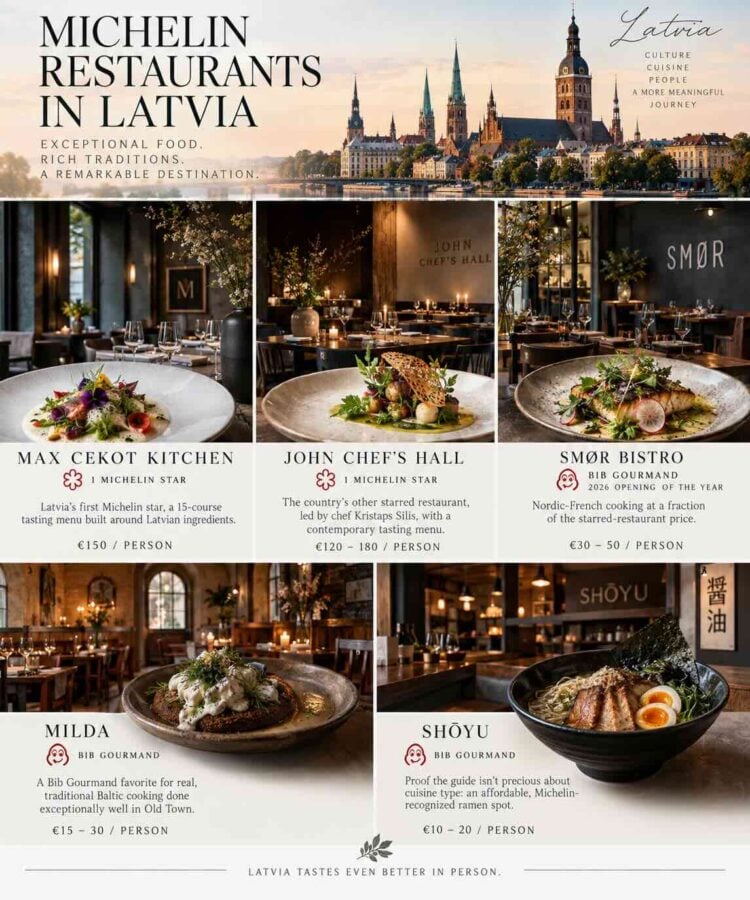
Latvia’s fine-dining scene isn’t background noise anymore; it’s a real reason to plan a trip around. The 2026 Michelin Guide Latvia covers 34 restaurants — 27 in Riga, 7 in the countryside. A few worth knowing by name:
- Max Cekot Kitchen — Latvia’s first Michelin star, a 15-course tasting menu built around Latvian ingredients (around €150/person).
- JOHN Chef’s Hall — the country’s other starred restaurant, led by chef Kristaps Sīlis, with a contemporary tasting menu (roughly €120–180/person).
- SMØR Bistro — 2026’s Opening of the Year and a Bib Gourmand pick for Nordic-French cooking at a fraction of the starred-restaurant price (€30–50/person).
- Milda — a Bib Gourmand favorite for real, traditional Baltic cooking done exceptionally well in Old Town, without the fine-dining price tag (€15–30/person).
- Shōyu — proof the guide isn’t precious about cuisine type: an affordable, Michelin-recognized ramen spot (€10–20/person).
Book the tasting menu once, but don’t skip Milda or a bakery run in the name of fine dining — locals move between all of it in the same week.
Sip Riga Black Balsam Like a Local
Riga Black Balsam has been made since 1752, originally sold as a medicinal tonic by a Riga pharmacist and, according to local legend, credited with reviving Catherine the Great in 1789. It’s a dark, 45%-ABV herbal liqueur built from 24 natural ingredients — roots, herbs, berries, spices, honey, and birch buds. Drinking it neat is one option, but the actual local way is mixed into hot black coffee, tea, or hot blackcurrant juice. It’s sold everywhere, but it isn’t just a souvenir here — treat it like a genuine piece of Latvian history you can drink.
Never Arrive Empty-Handed — and Always Bring an Odd Number of Flowers
If you’re invited into a home here, flowers aren’t optional — but the rule trips up most visitors: buy an odd number of stems. Even numbers are reserved for funerals and graves across the Baltics, so 3, 5, or 7 from a street flower stall is the respectful, correct choice. It’s not a special-occasion gesture here; it’s just how you say thank you.
If You’re Here for Jāņi (Midsummer), Join In
If your trip lands on June 23–24, you’ve stumbled into the biggest celebration on the Latvian calendar — bigger than Christmas, by most locals’ own admission. Jāņi (and its eve, Līgo) centers on staying up all night around a bonfire: men wear wreaths of oak leaves, women wear wreaths of meadow flowers, everyone eats a caraway-studded Jāņi cheese, and falling asleep before sunrise is considered bad luck for the whole year ahead. It’s a direct, living link to pre-Christian midsummer traditions, and locals take it seriously. If you’re invited to someone’s Jāņi bonfire, go.
Walk the White Sand at Jūrmala
Thirty minutes from Riga by train sits Jūrmala. The beach is almost 25 kilometers of soft, pale sand backed by pine forest and rows of ornate wooden villas, some over a century old. It’s been a resort town for generations, known for its mineral waters as much as its beach. Locals come here to slow down, not to see or be seen. Walking that stretch of sand barefoot is one of the most Latvian things you can do with an afternoon.
Visit An Ancient Castle or Two
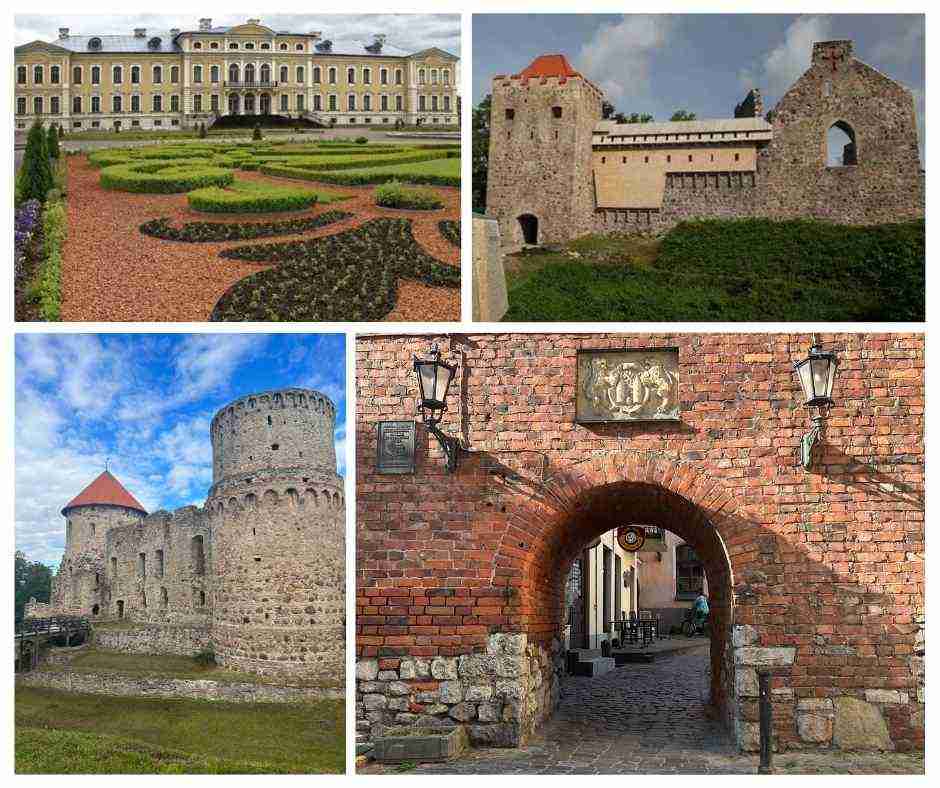
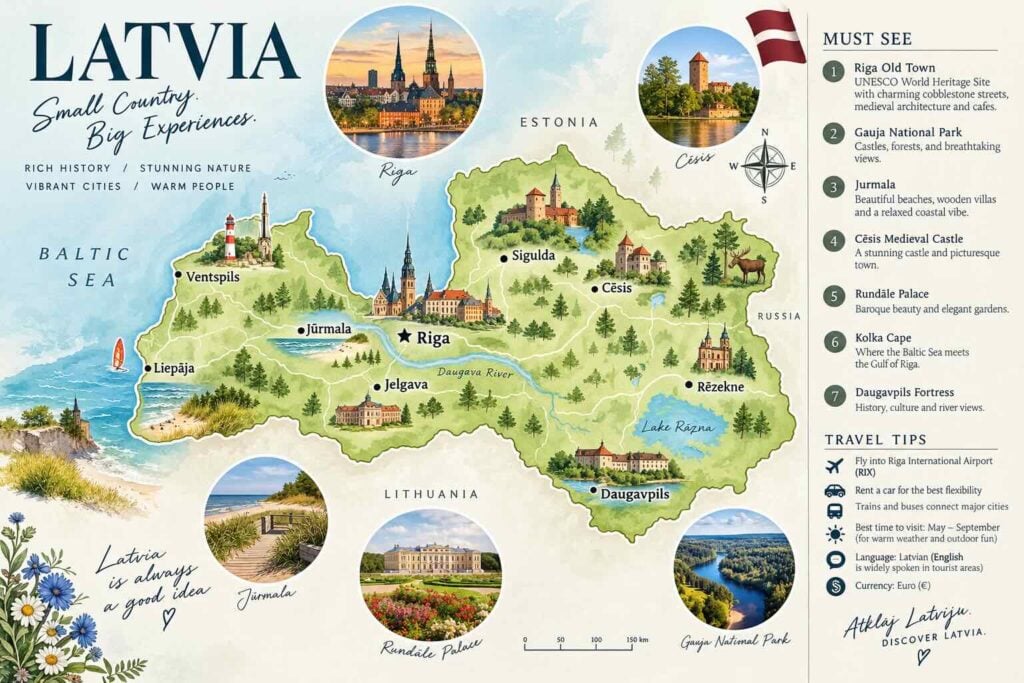
Latvia’s ancient castles are a must-see for anyone who loves history, architecture, and a little fairy-tale magic. From the medieval towers of Turaida Castle overlooking the breathtaking Gauja River Valley to the atmospheric ruins of Cēsis Castle. These centuries-old landmarks offer a fascinating glimpse into Latvia’s past.
Wander through stone passageways, climb historic towers, explore beautiful gardens, and discover stories of knights, medieval battles, and royal intrigue. Many castles are surrounded by lush forests and charming villages, making them perfect stops on a scenic road trip. Visiting Latvia’s castles is like stepping back in time.
Most Frequently Asked Questions About Latvia
Latvia is a beautiful Baltic country in Northern Europe, bordered by Estonia, Lithuania, Russia, Belarus, and the Baltic Sea. Its capital, Riga, is the country’s cultural and historic heart.
May through September is ideal for exploring Latvia’s castles, beaches, and national parks. June through August brings long daylight hours and outdoor festivals, while September offers beautiful fall colors and fewer tourists. December is magical for Christmas markets in Riga, although temperatures can be quite cold.
Most American travelers fly into Riga International Airport (RIX). Most flights connect through a major European hubs such as Amsterdam, Frankfurt, Helsinki, or Copenhagen. Riga is also accessible by bus from neighboring Baltic countries.
Start with Riga Old Town, a UNESCO World Heritage Site filled with cobblestone streets and historic architecture. Then explore Turaida Castle, Cēsis Castle, the beaches of Jūrmala, and the forests of Gauja National Park.
Yes! Latvia is very safe. As in any European city, use common sense, watch your belongings in crowded areas, and use reputable transportation services. Check the latest U.S. State Department travel advisory before your trip.
Latvian is the official language. English is commonly spoken in hotels, restaurants, and tourist attractions in Riga, particularly among younger people. Learning a few Latvian words is always appreciated!
The Takeaway
Feeling like a local in Latvia was never really the goal for me. I have Latvia in my blood.
Everything in this guide is what I’d hand a friend before their first visit: a few words of the language, real walking shoes, an honest look at the history before you stand at the Freedom Monument or walk through a museum built to remember it, a loaf of real rye bread, a pirts booked properly, a table at Milda or Max Cekot Kitchen, an odd number of flowers, and an afternoon on Jūrmala’s sand. That’s Latvia, close up — and it’s the version my mother would recognize as the country she never stopped loving.