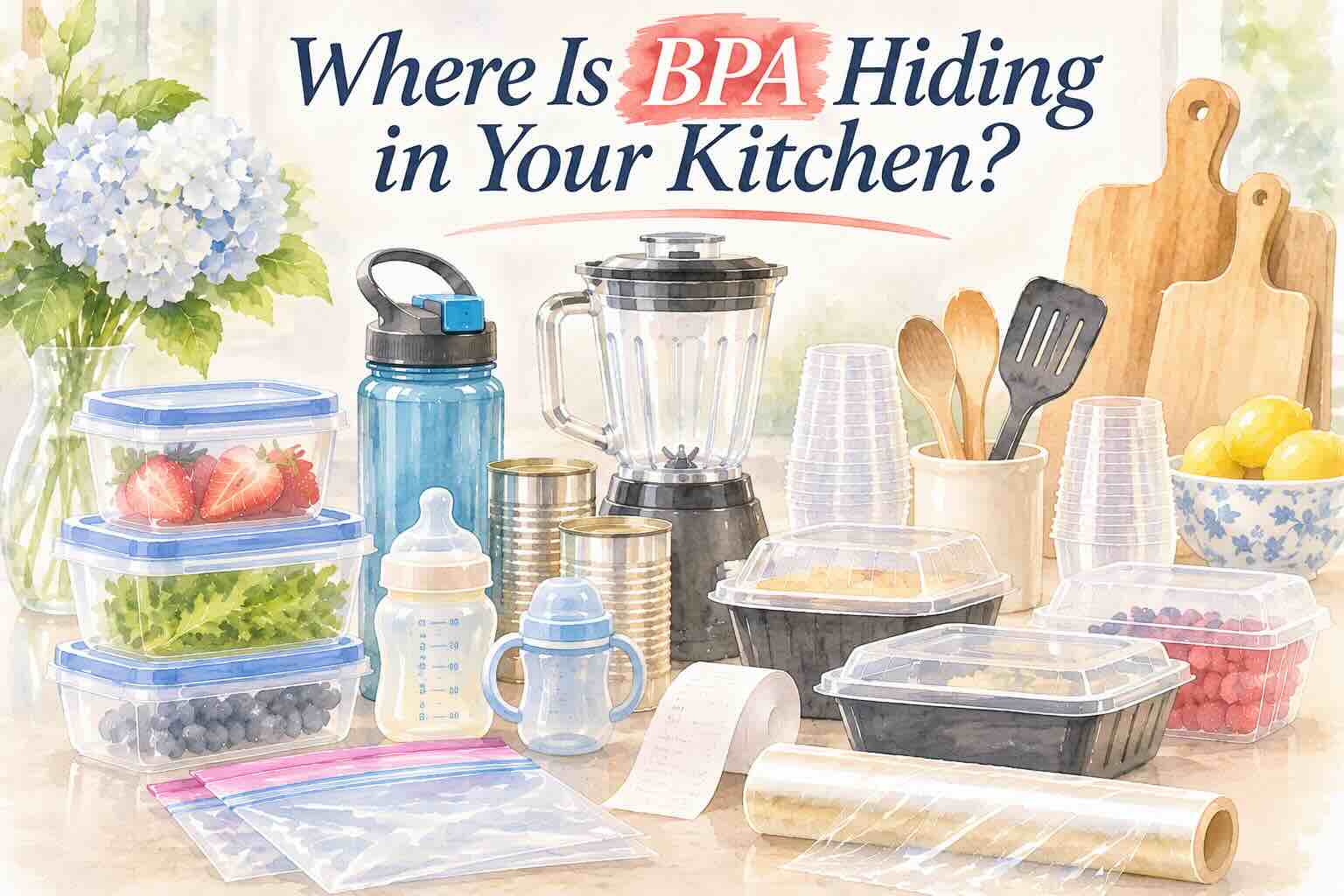
Is BPA-Free Really Safe? How to Reduce BPA in Your Kitchen
I have a confession. For years, I thought buying products labeled BPA-free meant I was making the healthiest choices for my family avoiding BPA products. Well, not so fast. As it turns out, BPA-free doesn’t necessarily mean free of potentially harmful chemicals. Some manufacturers replace BPA with similar chemicals, such as BPS and BPF, which researchers are now studying for their potential hormone-disrupting effects.
So, is BPA-free really safe? And where might these chemicals be hiding in our kitchens?
Let’s unpack what the science actually says about BPA, BPS, and BPF, where they may show up in everyday kitchen products, and the simple swaps we can make to reduce unnecessary exposure. Because creating a healthier home shouldn’t require a chemistry degree—or throwing out everything in your kitchen!
The more I learn about women’s health, hormones, and longevity, the more interested I become in the everyday things we can control. Not just what we eat, but what we store our food in, how we heat it, and which chemicals might be sneaking into our bodies without us realizing it.
And here’s something that surprised me: BPA-free doesn’t necessarily mean free of other hormone-disrupting chemicals. Wait, what?
As I’ve been researching endocrine disrupting chemicals, including those found in thermal paper receipts, I’ve discovered that our kitchens deserve some attention, too.
The good news? We don’t need to throw away everything we own, spend a fortune on new kitchen products, or become obsessed with avoiding every possible chemical. I’m all about practical changes that make sense in real life. So let’s talk about bisphenols, what the science says, and the simple kitchen swaps worth considering.
Key Takeaways
- BPA-free isn’t always bisphenol-free. Some products use replacement chemicals such as BPS and BPF, which may have similar hormone-disrupting properties.
- Food packaging and storage can contribute to BPA exposure. Certain canned foods, plastic food containers, and food-contact materials deserve a closer look.
- Women over 40 have good reasons to learn about endocrine disrupting chemicals, especially as we navigate perimenopause, menopause, and changing hormones.
- Glass and stainless steel food storage containers are practical alternatives for reducing contact with certain plastic-related chemicals.
- Small changes matter. Rethinking how we store, heat, and package food is a manageable place to start.
- Ways to reduce BPA, BPF and BPS exposure in kitchen
Why I Started Questioning BPA-Free Products
If there’s one thing I’ve learned about health as I’ve gotten older, it’s that the more you know, the more questions you ask. I spend a lot of time researching women’s wellness, from hormone health and bone density to the everyday habits that may influence how we age.
And I keep coming back to one question: What can we do today that might help us stay healthier tomorrow?
That curiosity led me to research BPA exposure and other bisphenols found in everyday products. For years, we’ve been told to look for BPA-free labels. So naturally, I assumed those products were the safer choice. But here’s the catch.
When manufacturers remove bisphenol A (BPA), they sometimes replace it with other chemicals, including bisphenol S (BPS) or bisphenol F (BPF). Emerging research suggests some of these BPA alternatives may have similar endocrine-disrupting effects. So, while BPA-free is a useful label, it doesn’t tell us everything about a product’s chemical makeup.
That’s when I started thinking differently about what I use in my kitchen.
What Are Bisphenols? BPA, BPS, and BPF Explained
Let’s get a little scientific here, but I promise not to turn this into chemistry class. Bisphenol A (BPA) is a synthetic chemical used for decades in certain plastics and epoxy resins. These materials have been used in food packaging, plastic containers, and the linings of metal food cans.
BPA is considered an endocrine-disrupting chemical because it can interfere with hormone signaling. Our endocrine system helps regulate everything from metabolism and reproduction to growth and development. Chemicals that interfere with hormone activity are worth understanding, especially when we’re exposed to them repeatedly.
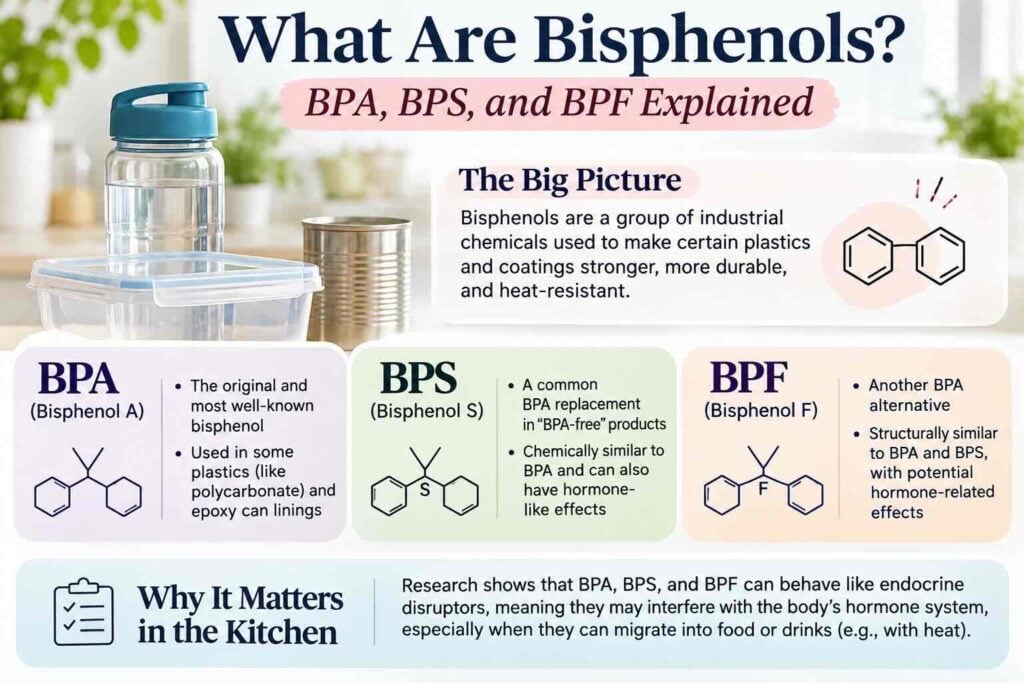
What is BPA?
Can interact with hormone receptors and has raised concerns about reproductive, developmental, and other health effects.
What is BPS and BPF?
Common BPA replacement chemicals that may have similar hormone-disrupting activity.
Chemical migration: Some chemicals can move from food-contact materials into food, depending on the material and conditions, including heat.
Long-term exposure: Researchers continue to investigate how repeated, low-level exposure to mixtures of endocrine disrupting chemicals may affect health.
In 2023, the European Food Safety Authority (EFSA) significantly lowered its tolerable daily intake for BPA to 0.2 nanograms per kilogram of body weight per day. That’s a dramatic change in how European regulators assess BPA risk. The FDA has taken a different position on BPA in food packaging at currently authorized levels, which is why you’ll see differing opinions and regulations.
My takeaway? The science is still evolving, and choosing lower-exposure alternatives when practical seems reasonable to me.
BPA-free plastic may still contain hormone-active chemicals
A peer-reviewed study published in Environmental Health Perspectives tested commercially available plastic products, including those labeled BPA-free.
Researchers found that many of the plastics tested released chemicals with estrogenic activity under laboratory conditions, including after exposure to heat or other stresses.
This doesn’t prove that every BPA-free product is dangerous, but it demonstrates why the label alone isn’t a complete safety guarantee.
Why Women Over 40 Should Pay Attention to Hormone Disruptors
Ladies, by the time we reach our 40s, 50s, and 60s, many of us have become quite familiar with the hormonal roller coaster. Hello, perimenopause and menopause! Between changes in estrogen, progesterone, sleep, body composition, and metabolism, our bodies are already navigating a major transition.
This doesn’t mean bisphenols are responsible for menopause symptoms or that reducing BPA exposure will fix hormonal changes. But understanding potential environmental exposures is another piece of the wellness puzzle.
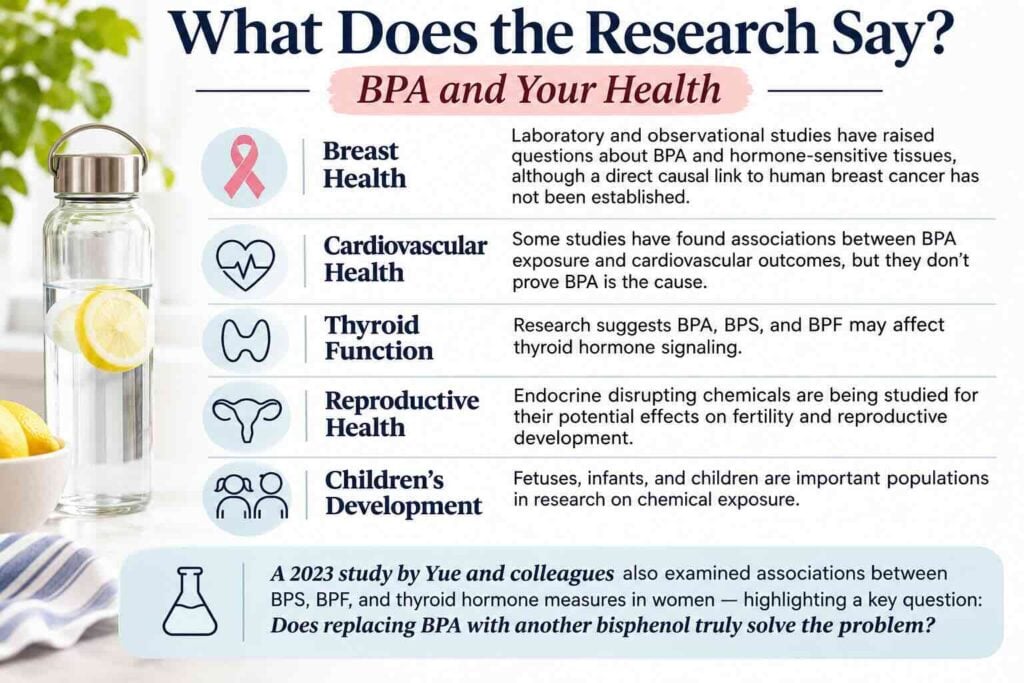
What Does the Research Say About BPA’s:
Breast health: Laboratory and observational studies have raised questions about BPA and hormone-sensitive tissues, although a direct causal link to human breast cancer has not been established.
- Cardiovascular health: Some studies have found associations between BPA exposure and cardiovascular outcomes, but they don’t prove BPA is the cause.
- Thyroid function: Research suggests BPA, BPS, and BPF may affect thyroid hormone signaling.
- Reproductive health: Endocrine disrupting chemicals are being studied for their potential effects on fertility and reproductive development.
- Children’s development: Fetuses, infants, and children are important populations in research on chemical exposure.
A 2023 study by Yue and colleagues also examined associations between BPS, BPF, and thyroid hormone measures in women. What I find especially interesting is that this research goes beyond BPA itself. Scientists are asking whether replacing one bisphenol with another truly solves the problem.
For me, that’s reason enough to make a few thoughtful changes. Not because I’m frightened of every plastic container in my kitchen, but because reducing unnecessary exposure is something I can actually do.
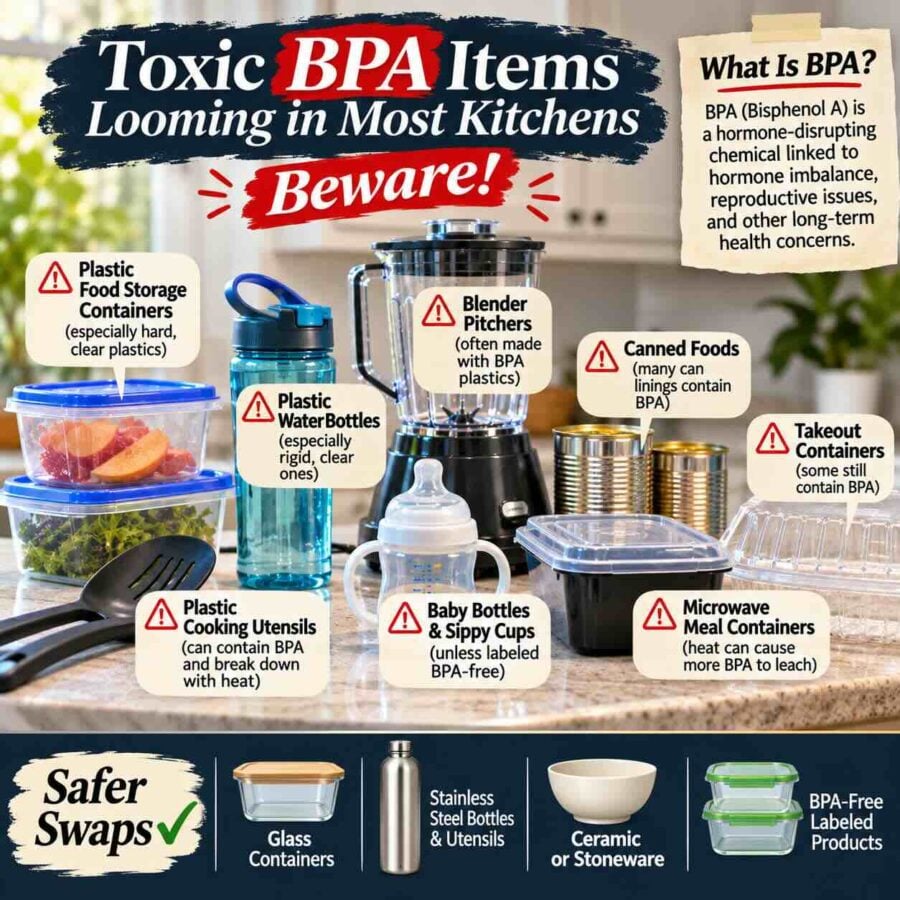
Where Bisphenols May Be Hiding in Your Kitchen
Once I started learning about BPA and food packaging, I realized there were several places worth checking. And no, I’m not suggesting we all empty our cabinets into the trash!
1. Canned Foods
Some metal food cans use protective linings made with epoxy resins that historically contained BPA. Foods such as tomatoes, soups, beans, and other canned goods may come into contact with these linings. Many manufacturers have moved toward BPA-free can linings, although the materials used can vary.
2. Plastic Food Storage Containers
Those plastic containers we use for leftovers are incredibly convenient. But certain plastics may contain chemical additives or residual substances that can migrate into food under particular conditions. Older hard, clear polycarbonate containers are especially worth checking.
3. Plastic Water Bottles and Travel Mugs
Some older reusable water bottles were made from BPA-containing polycarbonate plastic. Today, there are many alternatives, including stainless steel and glass water bottles.
4. Plastic Kitchen Tools
Spatulas, ladles, measuring cups, and other plastic kitchen utensils are worth evaluating, particularly if they’re damaged or used with high heat. Not all plastics contain bisphenols, so it’s important not to assume every plastic product is a BPA source.
5. Food Packaging and Lids
Even some glass food jars have coated metal lids. That doesn’t automatically make them unsafe, but it reminds us that food-contact materials involve more than just the container itself.
Step 1: Rethinking Canned Foods and BPA-Free Labels
I’m not giving up the convenience of canned foods entirely. Sometimes opening a can of beans is exactly what dinner requires. But I do think it’s worth paying attention to the packaging.
- Choose fresh or frozen vegetables when convenient.
- Try dried beans instead of canned beans occasionally.
- Look for brands that disclose their can-lining materials.
- Consider tomatoes, broth, and soups packaged in glass jars or cartons, while remembering that alternative packaging can also have chemical components.
- Transfer leftovers from opened cans into glass or another appropriate food storage container.
One thing I want to emphasize: a BPA-free can doesn’t necessarily mean the lining is completely free of other bisphenols. That’s why I prefer looking at the bigger picture rather than relying on one marketing label. And please don’t feel guilty about using canned foods. They’re affordable, convenient, and can absolutely be part of a nutritious diet.
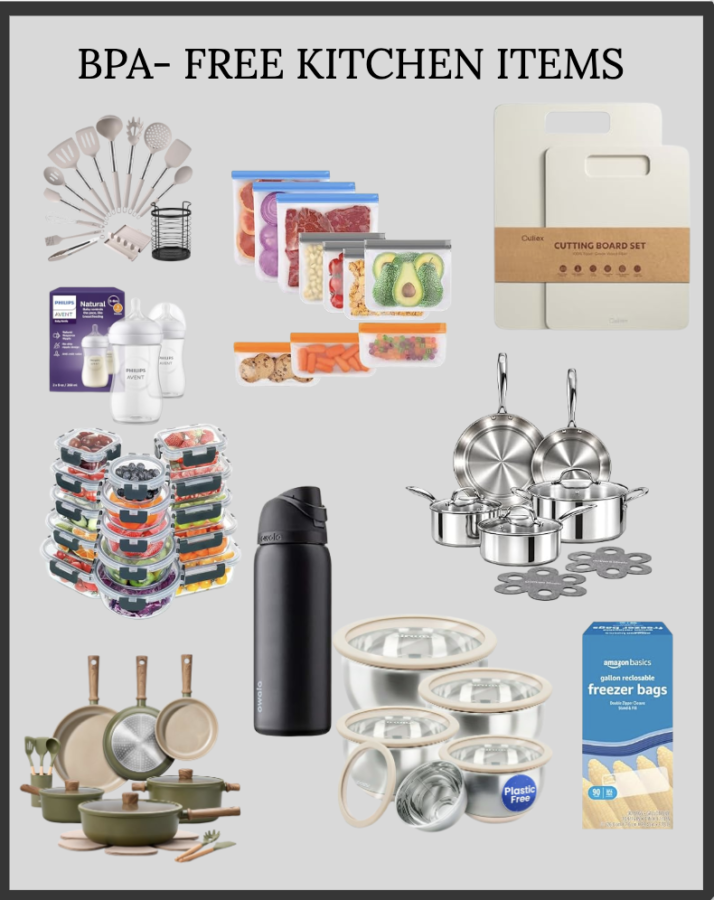
Step 2: Choosing Safer Food Storage Containers
If I were going to make just one kitchen upgrade, this would be high on my list. Switching frequently used plastic food containers to glass or stainless steel is one of the simplest ways to reduce food contact with certain plastic-related chemicals. Plus, glass containers have another wonderful benefit: no more mysterious orange stains from last week’s spaghetti sauce!
My Favorite Alternatives to Plastic Food Containers
Glass food storage containers are my first choice for leftovers, meal prep, soups, and sauces. Why?
- Easy to clean and don’t absorb food odors the way some plastics do
- Available in oven-safe versions
- Great for refrigerator storage and allow you to see what’s inside
Just remember to check whether the container and lid are rated for the oven, microwave, or freezer.
Stainless steel containers are another great option, especially for lunches and food on the go. They’re lightweight compared with glass, durable, reusable, and useful for sandwiches, salads, and snacks.
Glass jars: Don’t overlook something you may already have in your kitchen. Clean glass jars can be wonderful for storing dry goods, pantry staples, and certain refrigerated foods. I love a kitchen that looks organized, and matching glass jars certainly don’t hurt!
What About Plastic Lids?
Many glass food storage containers still come with plastic lids. That’s not necessarily a dealbreaker for me. I simply try to keep hot food from touching plastic lids and avoid heating containers with plastic lids unless the manufacturer specifically approves that use.
Glass vs. Plastic: Which Food Storage Containers Are Better?
| What I’m storing | My preferred option |
| Hot soup or leftovers | Glass or ceramic |
| Tomato sauce and acidic foods | Glass |
| Salads and sandwiches | Glass or stainless steel |
| Dry snacks | Glass, stainless steel, or suitable food-grade plastic |
| Freezer meals | Freezer-safe glass or appropriate reusable containers |
| Water and beverages | Stainless steel or glass |
Plastic isn’t automatically dangerous, and different plastics have different properties. But I especially like using glass or ceramic when reheating food because it removes one possible source of plastic-related chemical migration.
Step 3: Stop Heating Food in Plastic Containers
This might be my favorite simple swap because it doesn’t require buying anything. Instead of microwaving leftovers in plastic, transfer them to a microwave-safe glass or ceramic dish. Easy!
Heating can increase the migration of certain substances from some food-contact materials, depending on the type of plastic and the conditions. A microwave-safe label means the container meets applicable requirements for its intended microwave use. It doesn’t necessarily mean the material contains no chemicals that can migrate into food.
- Reheat leftovers in microwave-safe glass or ceramic.
- Avoid putting hot food into damaged or unsuitable plastic containers.
- Replace plastic containers that are cracked, warped, or badly scratched.
- Follow manufacturer instructions for reusable food containers.
- Avoid letting plastic wrap touch food during heating unless the product instructions permit it.
- This is a change that requires almost no effort once it becomes a habit.
Step 4: Take a Closer Look at Your Water Bottle and Coffee Mug
I don’t know about you, but my water bottle and coffee mug are practically permanent accessories. So it makes sense to pay attention to what they’re made of. For everyday hydration, I like the idea of a stainless steel or glass water bottle.
Stainless steel is durable, reusable, and especially convenient when you’re running around all day. For coffee, stainless steel or glass-lined travel mugs are practical alternatives to certain plastic options.
Of course, I still believe in enjoying life. I’m not going to turn down coffee with a friend because it’s served in a disposable cup. The goal isn’t to eliminate every possible exposure. It’s to make better choices where we reasonably can.
Step 5: Make Kitchen Swaps Without Spending a Fortune
Here’s where I think wellness advice sometimes goes off the rails. Someone tells us a product might be problematic, and suddenly we’re supposed to replace our entire kitchen by Friday. No, thank you. I’d rather make a few smart, affordable changes over time.
- Start With What You Use Most
- Replace plastic containers used regularly for reheating food.
- Choose glass for hot, oily, or acidic leftovers.
- Replace damaged or very old plastic food containers.
- Consider a stainless steel or glass water bottle.
- Gradually evaluate your most frequently used food packaging and kitchen tools.
Before buying something new, look around your kitchen. You may already have glass baking dishes, jars, or storage containers that work perfectly well. Thrift stores and secondhand shops can also be great places to find glass kitchenware. Just inspect items for chips, cracks, and other damage. A healthier kitchen doesn’t have to be an expensive kitchen.
The Environmental Bonus: Less Plastic and Less Waste
Here’s something I love about these changes. Many of the same kitchen swaps that can reduce contact with certain food-packaging chemicals also help cut down on disposable plastic. Glass and stainless steel containers can last for years when properly cared for.
- Less reliance on disposable food containers
- Fewer stained or warped plastic containers to replace
- Less single-use packaging
- A more organized kitchen
- More opportunities to reuse what we already own
And who doesn’t love opening a kitchen cabinet without an avalanche of mismatched plastic lids? Sometimes a little decluttering is good for the soul, too.
How to Get Your Family on Board Without Becoming the BPA Police
I can just imagine the eye rolls if I announced that everyone needed to stop using plastic immediately. After years of raising boys, I’ve learned that sometimes the best way to introduce a new habit is simply to make it easy.
Rather than giving everyone a lecture on endocrine disrupting chemicals, I would focus on convenience. Put the glass containers where everyone can find them. Make stainless steel water bottles easy to grab. Keep microwave-safe ceramic dishes handy. And explain the changes without making anyone feel guilty.
Something as simple as, “I’m trying to reduce unnecessary chemical exposure in our kitchen,” is usually enough. No chemistry lecture required.
My 30-Day Checklist for Reducing BPA Exposure
You don’t have to do everything at once. Here’s a simple four-week plan.
Week 1: Change How You Reheat Food
- Stop reheating food in plastic when glass or ceramic is available.
- Use microwave-safe dishes for leftovers.
- Avoid heating food in damaged plastic containers.
Week 2: Upgrade Your Food Storage
- Identify your five most-used plastic food containers.
- Replace the ones used for hot foods first.
- Repurpose old containers for non-food storage when appropriate.
Week 3: Rethink Your Pantry
- Look for canned-food brands that disclose their lining materials.
- Try frozen or dried alternatives for a few pantry staples.
- Consider glass jars or cartons for some frequently used packaged foods.
Week 4: Check Your Everyday Kitchen Gear
- Inspect older plastic utensils and containers.
- Look for older polycarbonate products marked PC or sometimes recycling code #7.
- Consider switching to a stainless steel or glass water bottle.
- Make a list of future swaps rather than buying everything immediately.
- One month, a handful of small changes, and a kitchen that feels a little more intentional. That’s my kind of wellness project.
A Reminder: Healthy Living Doesn’t Require Perfection
The older I get, the more I believe that wellness is about consistency, not perfection. We can eat well, exercise, prioritize sleep, build muscle, and pay attention to the products we use without turning healthy living into another full-time job.
Will I still use canned foods? Absolutely. Will I occasionally bring home takeout in plastic packaging? Of course. Am I going to worry about every container at a restaurant? No.
What matters to me is understanding the research and making practical decisions based on what we know. Reducing BPA exposure and other endocrine disrupting chemicals is one piece of a much bigger health picture. And when a small change is easy, affordable, and potentially beneficial, I’m all for it.
So maybe the next time you’re cleaning out a kitchen cabinet, take a second look at those old plastic food containers. A few thoughtful swaps might be a great place to start.
Frequently Asked Questions About BPA-Free Products and Bisphenols
Are BPA-free plastic containers safe?
BPA-free plastic containers do not contain intentionally added BPA, but some may contain alternative bisphenols such as BPS or BPF. Not every BPA-free product uses these replacements, and safety depends on the specific material and its intended use. For hot food storage and reheating, glass or ceramic is a practical alternative.
How can I tell if my plastic food containers contain BPA?
Look for product information from the manufacturer. Older hard, clear polycarbonate plastic containers marked PC or sometimes recycling code #7 may contain BPA. However, #7 is a broad category and does not automatically mean a product contains BPA.
Are glass food storage containers better than plastic?
Glass food storage containers are a useful alternative because the glass itself doesn’t contain BPA, BPS, or BPF. They are especially practical for leftovers, acidic foods, and reheating when rated for microwave use. Check lids and seals separately.
Is silicone a safe alternative to plastic food storage containers?
Food-grade silicone generally does not contain BPA and can be useful for baking, food storage, and reusable kitchen products. Quality and formulation vary, so choose reputable products designed for food contact and follow their temperature instructions.
Should I replace my nonstick cookware to avoid BPA?
Traditional PTFE nonstick coatings are not the same chemical family as bisphenols. PFAS-related concerns are a separate topic. If you’re trying to reduce BPA exposure, start with food containers and packaging rather than assuming all nonstick cookware contains BPA.
What is the best way to reduce BPA exposure at home?
Practical steps include choosing suitable glass or stainless steel food storage containers, avoiding unnecessary heating of food in plastic, checking older polycarbonate products, and considering alternatives to certain canned-food packaging.
Does BPA exposure affect menopause or hormones?
BPA can interact with hormone signaling, and researchers continue to study its effects on endocrine health. However, evidence does not establish that everyday BPA exposure causes menopause symptoms or that reducing BPA will treat hormonal changes.
Are all canned foods lined with BPA?
No. Many manufacturers have switched to alternative can linings. However, BPA-free labeling doesn’t necessarily disclose every chemical used in the lining. Check manufacturer information when you want more detail.
Final Thoughts
If there’s one thing I hope you take away from this article, it’s that you don’t need a perfectly toxin-free kitchen to make healthier choices. In fact, a completely chemical-free life isn’t possible, and that’s not the goal.
What we can do is stay curious, learn from the science, and make small changes that fit our lives. For me, that’s what healthy aging is all about: being proactive without becoming overwhelmed.
And if those changes also leave me with fewer mismatched plastic lids cluttering my cabinets? Well, that’s what I call a win-win.
Have you started switching from plastic to glass or stainless steel food storage containers? I’d love to know which kitchen swaps you’ve made and which products you love!