Fall Gardening Checklist: Top 11 garden tips and tasks
The fall season is the best time to tackle essential gardening tasks and prepare your outdoor spaces for the colder months ahead.Get your garden ready for winter with this easy Fall Gardening Checklist! Discover 11 essential fall gardening tips—from planting bulbs and dividing perennials to lawn care and composting—to keep your outdoor spaces healthy and beautiful year-round.
Fall gardening is the perfect time to refresh your garden and set it up for success next year. As cooler weather arrives, it’s a great time to assess garden beds and create a to-do list that sets your landscape up for next spring. With cooler temperatures and less water needed, early fall brings a unique opportunity for planting, cleanup, and planning for the next year.
11 Top Garden Tips For This Fall

1. Remove These Plants From Your Garden:
Get your garden ready for winter! Discover which plants to remove in October—including annuals, vegetables, and diseased perennials—to prevent pests, boost soil health, and set your garden up for a strong spring.
Annuals
- Pull out summer annuals like petunias, impatiens, zinnias, marigolds, and begonias once they’ve finished blooming.
- Removing them prevents pests and diseases from overwintering in your garden beds.
Spent Vegetable Plants
- Remove tomatoes, peppers, beans, squash, cucumbers, and corn after the final harvest.
- Old vegetable plants can harbor blight, mildew, and insect eggs—don’t compost diseased ones.
Diseased or Damaged Perennials
- Cut back any perennials showing signs of fungus, rot, rust, or powdery mildew.
- Healthy perennials like daylilies, hostas, and coneflowers can be trimmed after the foliage yellows naturally.
- Leave ornamental grasses and echinacea seed heads for winter interest and wildlife food.
Weeds
- Remove weeds now to stop them from dropping seeds and coming back stronger next year.
- Be sure to pull them by the roots for the best results.

2. Take Care Of Your Lawn
Fall is the best time to revive and strengthen your lawn. Learn how to aerate, seed, fertilize, and prep your grass for winter so it comes back lush and healthy in spring.
Aerate Your Lawn
- Fall is the perfect time to aerate compacted soil so air, water, and nutrients can reach the roots.
- Use a core aerator that removes plugs of soil for best results.
- Aeration encourages deeper root growth and improves overall soil health.
Fertilize for Strong Roots
- Apply a slow-release fertilizer in mid-fall to help your lawn store energy for winter.
- Choose a balanced blend with nitrogen and potassium (like 24-0-10) to boost root development and spring recovery.
- This step helps your grass stay resilient through cold weather and bounce back beautifully in spring.
Control Weeds Before Winter
- Fall weeds love to sneak in while you’re not looking—apply a weed control product to stop them early.
- Spot-treat stubborn weeds so they don’t overwinter and return stronger next season.
- Staying consistent now means fewer weeds and less work when spring rolls around.

3. Bring On The Fall Colors
Fall doesn’t have to mean your garden goes dull. With a few quick updates, you can give your outdoor space a cozy, colorful refresh that carries you right through the cooler months. Here’s how to easily transition from summer blooms to a rich, autumn-inspired garden:
Refresh Containers with Fall Color
- Replace tired summer planters with a cozy autumn mix of mums, pansies, asters, and ornamental kale.
- Add cascading ivy or grasses for texture and movement.
- Tuck in mini pumpkins or gourds for a festive touch that lasts through Thanksgiving.
- Even a few refreshed pots by your entryway or patio can instantly transform your space.
Add Late-Blooming Stars
- Extend your garden’s color with Japanese anemones, sedum, echinacea, and rudbeckia.
- Layer in texture with switchgrass, fountain grass, or Russian sage.
- These fall bloomers glow beautifully in the autumn light and keep your beds vibrant late into the season.

4. Soil and Bed Preparation Tips
Why It’s Important: Prepping your soil in the fall gives your garden a healthy head start for spring. Adding compost, mulch, or other organic matter now allows nutrients to break down over winter, enriching the soil naturally.
Cooler temperatures mean fewer weeds and pests, and loosening compacted soil improves drainage and structure. By spring, your beds will be ready to plant—no waiting for soggy ground or rushed prep. In short, fall soil prep leads to stronger roots, healthier plants, and a more bountiful harvest next year.
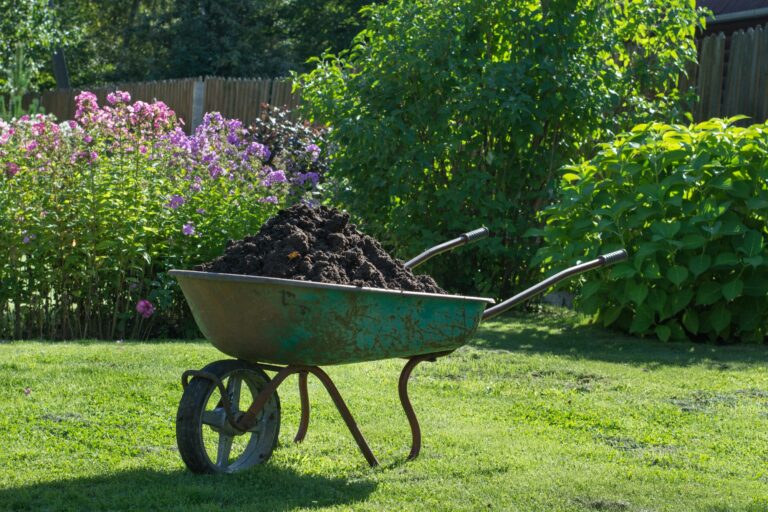
- Test your garden soil with a soil sample and add organic fertilizers and a layer of compost to enrich beds for the next growing season.
- Mulch with wood chips or a natural mulch, and add a layer of organic mulch to help soil moisture retention and protect new plants from light frosts.
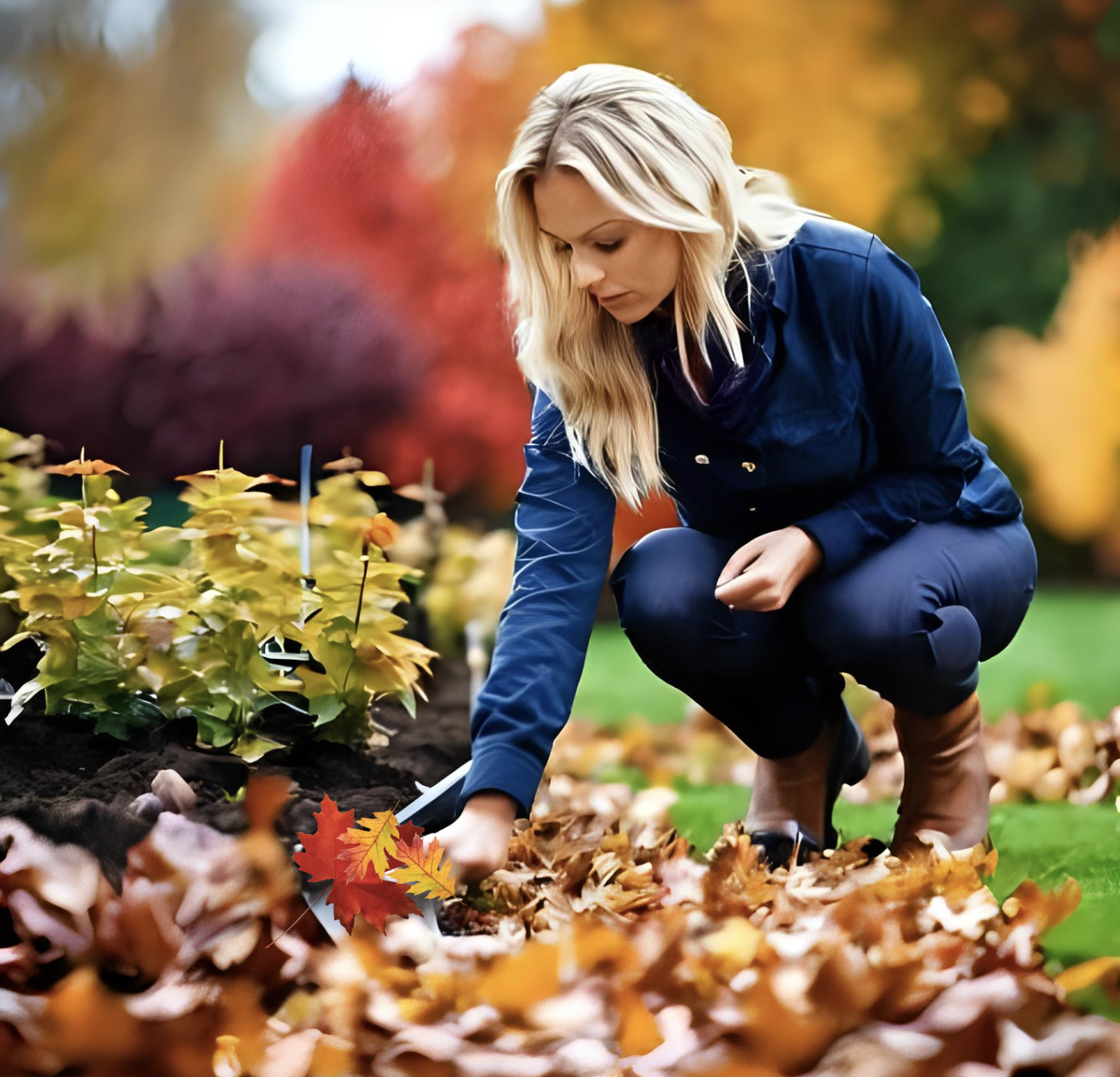
- Rake leaves for a compost pile or use them in your compost bin—fall cleanup is a great way to build up organic matter for spring growth.

5. Planting In The Fall
Fall is a great time to plant trees and shrubs because the cooler weather and increased rainfall help roots establish before the stress of summer heat. With less demand for water and slower top growth, trees can focus their energy on building strong root systems. The soil stays warm even as air temperatures drop, creating ideal conditions for root development.
Planting in fall also gives trees several months to settle in before the ground freezes, so by the time spring arrives, they’re ready to grow vigorously. Overall, fall planting means less watering, fewer pests, and a healthier start for your trees next year.
- Planting trees, shrubs, and spring bulbs in late October and early November is an excellent time to ensure roots are established before the ground freezes.
- Sow fall crops such as cool-season vegetables or root vegetables like carrots, beets, and leafy greens; fall vegetable garden efforts yield fewer pests and better produce through the cooler months.
- Try planting a cover crop to improve garden soil and reduce erosion during the winter months.

6. Fall Garden Protection and Maintenance
Why It Is Important: Protection and maintenance in the fall are essential for keeping your garden healthy and ensuring a smooth start next season. Using row covers or cold frames shields fall crops from early frosts, helping you extend your harvest well into late winter. Moving container plants to a dry or sheltered spot prevents them from being damaged by freezing temperatures and the first killing frost.
- Use row covers or cold frames to shelter fall crops from the first frost date and extend the growing season into late winter.
- Move container plants to a dry place or sheltered location to guard them against cold weather and first killing frost.
- Clean garden tools and store them in good condition to avoid damage through the colder months; a well-serviced lawn mower is the best way to prepare for the next season.

7. Plant Spring Bulbs in the Fall
As the weather cools and the growing season winds down, fall is actually the best time to plant spring-blooming bulbs. While it might feel counterintuitive to plant when everything else is slowing down, this is when bulbs quietly start preparing for their big spring debut.
Tips for Planting Spring Bulbs
- Pick the Right Spot: Choose a sunny, well-draining area—bulbs hate soggy soil.
- Plant at the Right Depth: Set bulbs about two to three times as deep as their height (usually 4–6 inches).
- Point Up, Roots Down: Always plant the pointy end facing skyward.
- Group for Impact: Plant bulbs in clusters, not rows, for a natural, full look.
- Add Compost or Bulb Food: Mix in organic matter or fertilizer to support healthy root growth.
- Water Well: Give bulbs a thorough soak after planting to settle the soil.
- Mulch Lightly: Add a thin layer of mulch or leaves to insulate and retain moisture.

8. Rearrange Your Garden: Why Fall Is the Perfect Time to Move Plants
If you’ve been meaning to shuffle your plants around, fall is the ideal time to do it. Cooler weather and warm soil create stress-free conditions for transplanting—and your plants will thank you next spring.
Cooler temperatures mean less stress and moisture loss, allowing plants to adjust without battling summer heat. The soil also stays warm well into the season, which encourages strong new root growth before winter arrives. Plus, fall’s natural rainfall reduces the need for constant watering, giving you (and your plants) a break. As an added bonus, many perennials and shrubs begin entering dormancy during this time, so moving them now causes minimal shock and sets them up for a healthy start in spring.
Tips for a Smooth Move
- Water plants well a day before digging them up.
- Replant at the same depth they were growing before.
- Add compost or organic matter to enrich the new planting hole.
- Water thoroughly after transplanting and keep soil moist for the next few weeks.
- Apply mulch to protect roots and maintain moisture as temperatures drop.
9. Fall Pruning
Fall pruning helps keep your shrubs healthy, shapely, and ready for new growth in spring. As plants slow down for the season, it’s a good time to remove dead, diseased, or crossing branches. Pruning improves air circulation, prevents disease, and gives shrubs a tidy appearance heading into winter.
How to prune:
- Start by removing dead or damaged wood.
- Cut back branches that rub or cross each other.
- Lightly shape the shrub, but avoid heavy pruning since it can stimulate tender new growth that may not survive frost.
- Always use clean, sharp tools to make clean cuts.
Which shrubs to prune in fall:
- Shrubs that bloom in summer or fall—like butterfly bush, spirea, potentilla, and hydrangea paniculata (panicle hydrangea)—can be pruned in late fall after flowering.
- Evergreens (like boxwood and yew) can be lightly shaped early in fall, but stop pruning six weeks before your first frost.
- Avoid pruning spring bloomers (like lilacs, azaleas, rhododendrons, and bigleaf hydrangeas) in fall, since you’ll cut off next year’s flower buds.

10. Divide Overgrown Perennials
Fall is the perfect time to divide overgrown perennials and collect seeds for next year. By the end of summer, some plants can get big, crowded, and messy. When you divide them, it helps rejuvenate growth, prevent disease, and give each plant more room to thrive.
It’s also the ideal time to gather seeds from your favorite annuals and perennials before the first frost. Store them in labeled paper envelopes or small jars in a cool, dry spot so they’re ready for spring planting. Add both of these simple tasks—dividing plants and saving seeds—to your fall gardening checklist to keep your garden healthy, organized, and bursting with life next year.

11. Bring Delicate Plants Indoors
As the nights get cooler, it’s time to rescue your tender outdoor plants before frost hits. Many warm-weather favorites can easily overwinter indoors and bounce back beautifully next spring.
Tropical Plants
- Bring in hibiscus, mandevilla, elephant ears, palms, and bird of paradise.
- These heat-loving plants can’t tolerate frost but thrive indoors in a bright, warm room.
Outdoor Houseplants
- Move Boston ferns, pothos, spider plants, philodendrons, and peace lilies back inside once temps dip below 50°F.
- Check for pests first and rinse leaves or treat with neem oil before bringing them in.
Tender Perennials & Annual Favorites
- Save geraniums, coleus, begonias, and impatiens by overwintering them indoors.
- Keep them in pots near a sunny window or take cuttings to root for next season.
Culinary Herbs
- Bring basil, rosemary, thyme, parsley, and mint inside to a bright kitchen window.
- They’ll continue to grow and provide fresh flavor through the winter.
Succulents & Cacti
- Move succulents, aloe, echeveria, and cacti indoors before the first frost.
- Place in a sunny windowsill and water sparingly during winter months.
Special Fall Tips
- Visit your local garden center in early fall for fall planting ideas and advice suited to your hardiness zone.
- Freshen up strawberry beds and water features before cold weather demands a little work and maintenance for best results.
- With a garden fork, loosen garden soil and mix in organic matter or a layer of compost to prepare beds for new plants and spring crops next year.
- Consider adding cold frames for protection against late fall frosts and to extend your cool-season vegetables into early spring.
A little planning and attention in the autumn season go a long way to building a robust garden for the next growing season and a bountiful harvest in the following spring.

Fall Gardening FAQs:
1. What should I do in my garden in the fall?
Fall is the time to clean up spent plants, pull weeds, divide perennials, plant spring bulbs, aerate and fertilize the lawn, and add compost or mulch to prepare beds for winter.
2. Is fall a good time to plant?
Yes! Cooler air and warm soil create ideal conditions for planting trees, shrubs, and hardy perennials. Plants can establish roots before the ground freezes and will take off next spring.
3. Can I still plant flowers in the fall?
Absolutely. Go for cool-season bloomers like pansies, violas, asters, and mums. They thrive in chilly temps and add color long after summer flowers fade.
4. What vegetables grow best in fall?
Leafy greens (like spinach, kale, lettuce), carrots, radishes, garlic, and beets all do great in fall gardens. They prefer cooler weather and taste even sweeter after a light frost.
5. Should I cut back perennials in fall?
Cut back perennials once their foliage yellows, but leave some—like coneflowers, grasses, and black-eyed Susans—for winter texture and bird food.
6. Do I need to mulch in the fall?
Yes. A fresh layer of mulch protects roots, conserves moisture, and prevents soil erosion through the winter. Just don’t pile it too close to plant stems.
7. When should I rake or remove leaves?
Rake leaves off the lawn regularly to prevent mold and bare spots. You can shred and reuse them as mulch or compost for your garden beds.
8. Can I move or divide plants in the fall?
Yes, fall is the best time to transplant perennials and shrubs because they’re starting to go dormant and experience less transplant shock.
9. Is fall a good time to fertilize the lawn?
Definitely. A slow-release fertilizer in mid-fall helps strengthen grass roots and ensures a healthy, green start next spring.
10. What should I NOT do in the fall garden?
Don’t prune spring-blooming shrubs (like lilacs or hydrangeas)—you’ll cut off next year’s buds. Also, avoid heavy fertilizing or planting tender annuals that won’t survive frost.