Amino Acid Supplements for Women: Why They’re Trending
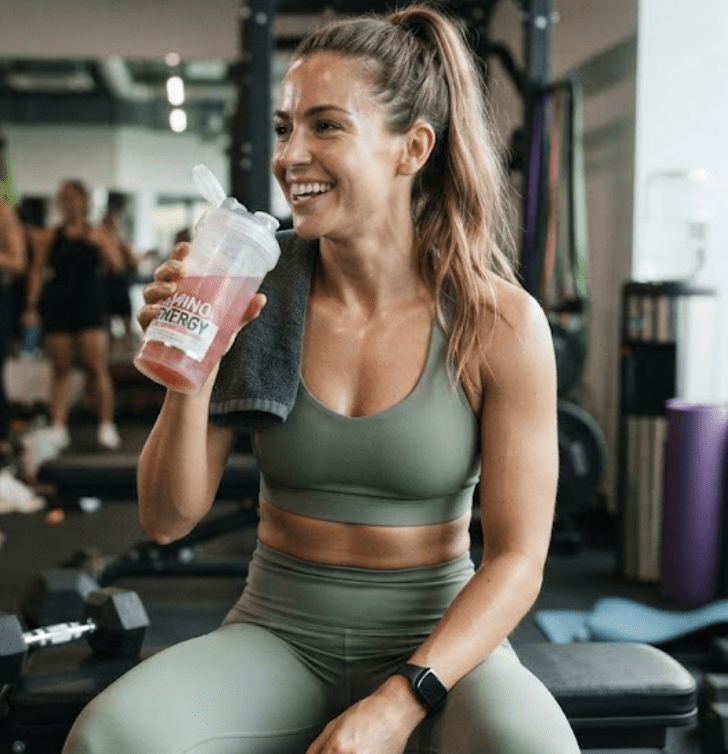
If you’ve been on Instagram lately, you’ve probably seen it. Your fit friend is stirring a powder into her water bottle before her morning walk. The health podcast you love keeps mentioning them. Let’s face it, women are obsessed with amino acid supplements. In this post learn what amino acids do for women, the benefits including focus, skin, mood and energy.
Women everywhere — especially women over 40 — are discovering that amino acid supplements aren’t just for athletes crushing leg day. They’re for anyone who wants more energy, stronger muscles, better sleep, glowing skin, a lifted mood, and a body that works with her instead of against her.
And honestly? The science backs it up in a big way.
So let’s get into it — what amino acids actually are, why they matter so much for women specifically, the benefits you can actually feel, and the brands worth spending your money on. Grab your coffee (or your amino water — you’ll see why in a minute). Let’s go, Gal Pal.
Key Takeaways
- Amino acids are the building blocks of protein — and your body needs them for virtually everything, from muscle repair to making hormones to regulating mood.
- Women over 40 are especially at risk of amino acid deficiency as muscle mass naturally declines and protein needs increase.
- The benefits go way beyond fitness: better sleep, clearer skin, improved mood, stronger hair and nails, and hormone support are all on the list.
- Not all supplements are equal. Third-party testing, ingredient quality, and formula type (EAA vs BCAA) all matter.
- The best brands for women in 2026: Thorne, Momentous, Kion, Naked Nutrition, and Jacked Factory — we break down each one.
First Things First: What Are Amino Acids, Exactly?
Think of amino acids as the Legos your body uses to build protein. Every protein in your body — your muscles, your skin, your hair, your enzymes, your hormones — is made up of amino acids strung together in different combinations.
There are 20 amino acids total. Your body can make 11 of them on its own (those are called non-essential amino acids). But the other 9 — called essential amino acids, or EAAs — you must get from food or supplements. Your body literally cannot produce them. No EAAs = your body starts cannibalizing its own muscle for fuel. Not exactly the vibe.
Within those 9 EAAs, there’s a special subset called Branched-Chain Amino Acids (BCAAs) — leucine, isoleucine, and valine. You’ve probably seen these on supplement labels. BCAAs are the ones most directly linked to muscle building and recovery.
The bottom line: EAAs = all 9 essential amino acids (the full team). BCAAs = 3 of the 9 EAAs (the star players for muscle). For most women, a full EAA supplement is more beneficial than BCAAs alone.
Why Women Are Turning to Amino Acids — Especially After 40
Here’s something nobody talks about enough: starting around age 30, women begin losing muscle mass at a rate of 3–8% per decade. After 40, that process accelerates. After menopause, it can feel like it goes into overdrive.
The clinical term is sarcopenia, and it’s not just a fitness issue. Muscle loss is directly linked to metabolic slowdown, weight gain, fatigue, bone density loss, insulin resistance, and even cognitive decline. Muscle is not vanity — it’s the engine that keeps everything else running.
And here’s where amino acids come in: your body needs a steady supply of essential amino acids — especially leucine — to trigger muscle protein synthesis, which is the process of building and repairing muscle tissue. If you’re not getting enough protein (or the right amino acid profile from that protein), your muscles don’t get the signal to rebuild.
For women navigating perimenopause and menopause, amino acid supplementation is emerging as one of the most evidence-backed tools available. A study published in PMC found that essential amino acid supplements improved menopausal symptoms AND age-related skin changes. The research is catching up to what women’s bodies have been telling us all along.
The Best Amino Acids For Women (Backed By Science)
Here’s why women are adding amino acids to their daily routine:
💪 Preserving and Building Lean Muscle
Leucine, the most anabolic of the EAAs, directly triggers muscle protein synthesis. Research shows that consuming leucine-enriched EAAs can improve muscle protein synthesis by up to 33%.
For women over 40, it’s one of the most important things you can do for long-term health, metabolism, and quality of life. More muscle = faster metabolism, better blood sugar regulation, and stronger bones.
🧠 Mood, Anxiety & Mental Health
Tryptophan — one of the 9 essential amino acids — is the direct precursor to serotonin, your feel-good neurotransmitter. Without enough tryptophan, serotonin production suffers.
Phenylalanine helps produce dopamine and norepinephrine. Amino acids are literally the raw materials your brain needs to regulate mood, manage anxiety, and keep depression at bay. If you’re feeling flat, irritable, or anxious — especially during perimenopause — your amino acid status is worth looking at.
😴 Better Sleep
Glycine, a conditionally essential amino acid, has been shown in clinical trials to improve sleep quality, reduce the time it takes to fall asleep, and decrease daytime fatigue. It works as an inhibitory neurotransmitter, calming the nervous system. Tryptophan also converts to melatonin — your sleep hormone. If you’re waking at 3am and staring at the ceiling, amino acids might be part of the answer.
✨ Glowing Skin, Strong Hair & Nails
Glycine, proline, and hydroxyproline are the three amino acids that make up collagen — the protein responsible for firm, plump, youthful skin. As we age, collagen production naturally declines (thanks, estrogen). Amino acid supplements help give your body the raw materials it needs to keep producing collagen. Add in cysteine (which supports keratin, the protein in hair and nails) and you’ve got a beauty supplement that works from the inside out.
⚡ Energy & Metabolism
Branched-chain amino acids — especially valine and isoleucine — play a direct role in energy production. They can be used as fuel by your muscles during exercise, helping you push harder and recover faster. Beyond the gym, amino acids support the production of enzymes and metabolic processes that keep your energy levels stable throughout the day. That 3pm crash? May be a protein/amino acid timing issue.
🦴 Bone Health & Menopause Support
Research suggests glycine may have an estrogen-like protective effect on bone health during menopause — potentially reducing age-related bone loss. Combined with the role amino acids play in muscle maintenance (which supports bone health), the case for supplementing through the menopause transition is compelling.
One randomized, double-blind study found that vitamin-containing amino acid supplements significantly improved both menopausal symptoms and age-related skin changes.
⚖️ Weight Management & Fat Metabolism
Amino acids — especially BCAAs — can help your body use fat for fuel more efficiently. They also help preserve lean muscle during a calorie deficit, which prevents the dreaded “skinny fat” outcome of losing weight without maintaining muscle.
If you’re working on your body composition during or after menopause, amino acids should be in your toolkit.
💉 Immune Function & Healing
Glutamine — the most abundant amino acid in the body — is critical for immune cell function, gut lining integrity, and recovery from illness or surgery. When you’re stressed, sick, or run down, your body burns through glutamine rapidly. Supplementing can help keep your immune system strong and your gut healthy.
🏆 The Best Amino Acid Supplements For Women 2026
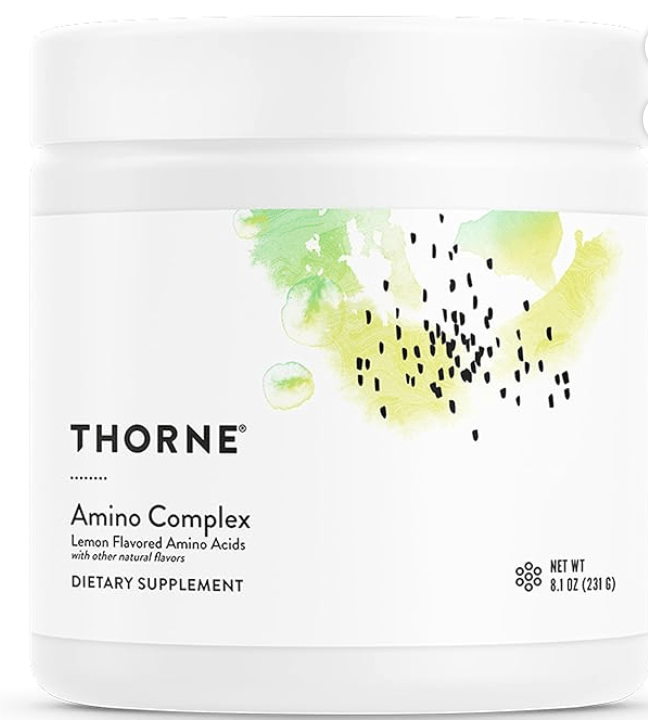
THORNE Amino Complex
🔬 Third-party tested: ✅ NSF Certified for Sport
Thorne Amino Complex
⭐ Best for: Women who want the highest quality, cleanest formula with elite third-party testing
💜 Why we love it: Thorne is the gold standard in the supplement world — used by professional athletes and recommended by registered dietitians. Their Amino Complex contains 11 amino acids (including non-essential cystine and tyrosine for extra skin and mood benefits), is NSF Certified for Sport, and is made in a GMP-certified facility. If you want to know exactly what you’re putting in your body, this is your pick.
💰 Price range: ~$40–$50 for 30 servings
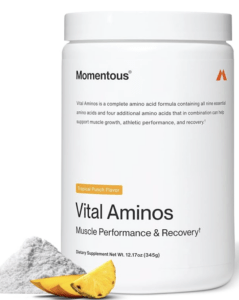
Momentous Vital Aminos
🔬 Third-party tested: ✅ NSF Certified for Sport
Momentous Vital Aminos
⭐ Best for: Women who want a premium all-in-one formula with added brain and antioxidant support
💜 Why we love it: Momentous has quickly become a favorite among high-performance women, and for good reason. Vital Aminos delivers all EAAs and BCAAs plus additional support for nitric oxide production (heart health), antioxidant defense, and neurotransmitter health. Every batch is NSF Certified for Sport — meaning what’s on the label is what’s in the bottle, period. Slightly pricier, but the formula goes above and beyond.
💰 Price range: ~$50–$60 for 30 servings
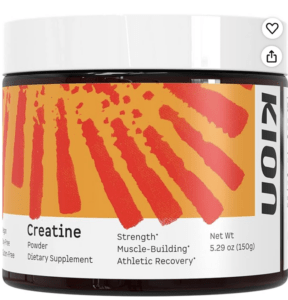
Kion Creatine Amino Acids
🔬 Third-party tested: ✅ Informed Sport Certified
Kion Aminos
⭐ Best for: Active women, endurance athletes, and anyone doing fasted morning workouts
💜 Why we love it: Originally created by Ben Greenfield for Ironman-level training, Kion Aminos has earned a devoted following among women who train hard. The formula uses a leucine-enriched 4:1:1 BCAA ratio optimized for muscle protein synthesis, it’s Informed Sport certified (rigorously tested for banned substances), and it’s clean enough to not break a fast. Available in powder (multiple flavors), capsules, and convenient travel packets. Loved on TikTok and in the fitness community for a reason.
💰 Price range: ~$39–$49 for 30 servings
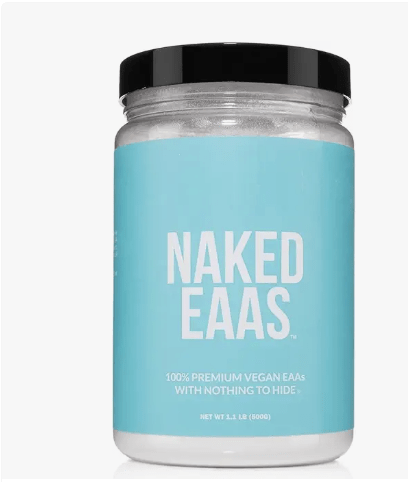
Naked EAAS
100% Premium vegan EAA’s with nothing artifical added.
Naked Nutrition Amino Acids
⭐ Best for: Women who want maximum purity with zero extras — no flavors, no sweeteners, nothing artificial
💜 Why we love it: Naked Nutrition lives up to its name. Their EAA powder contains just over 9g of all 9 essential amino acids per serving, with a 2:1:1 BCAA ratio and higher doses of the other six EAAs than most competitors.
No artificial flavors, no colors, no sweeteners, no fillers. Just amino acids. If you’re sensitive to additives or prefer to mix your supplements into food or smoothies without changing the flavor, this is your pick.
💰 Price range: ~$35–$45 for 30 servings
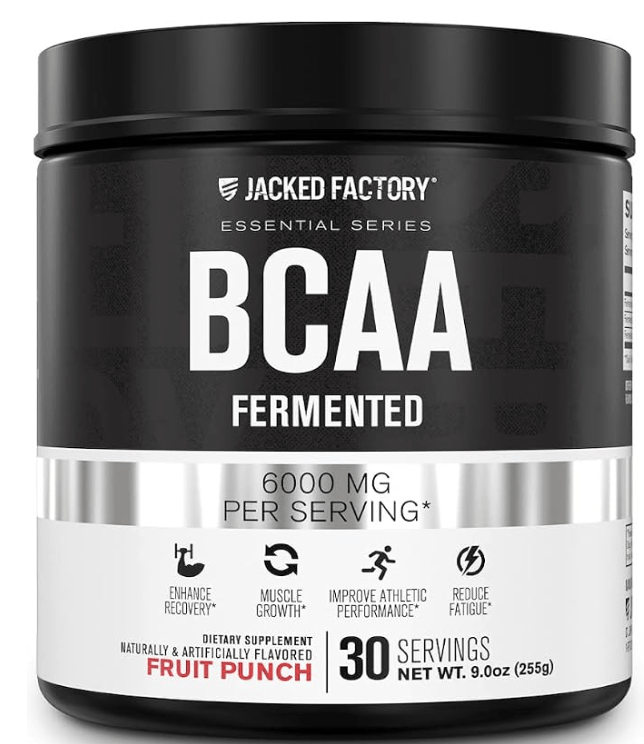
Jacked Factory BCAA
It uses fermented (plant-based) BCAAs in the optimal 2:1:1 ratio, is vegan-friendly, and free from artificial colors and fillers.
Best Budget Jacked Factory BCAA Fermented
⭐ Best for: Women who want a clean, effective, budget-friendly BCAA option for daily use
💜 Why we love it: Don’t let the name fool you — this is one of the most recommended BCAA supplements for women across dietitian and fitness communities. It uses fermented (plant-based) BCAAs in the optimal 2:1:1 ratio, is vegan-friendly, and free from artificial colors and fillers.
Note that this is a BCAA product (not full EAAs), so it’s best paired with a high-protein diet. But for workout recovery and muscle support on a budget? It consistently earns top marks.
💰 Price range: ~$20–$25 for 30 servings
Not all supplements are created equal. Here’s what to look for before you buy:
- Third-party tested — NSF Certified for Sport or Informed Sport certification means an independent lab verified what’s actually in the bottle.
- Full EAA profile — all 9 essential amino acids, with adequate leucine (ideally 2,000–3,000 mg per serving).
- Clean formula — no artificial dyes, fillers, or unnecessary additives. A short ingredient list is a good sign.
- Form that fits your life — powder, capsule, or packet. The best supplement is the one you’ll actually take.
- No proprietary blends — you should be able to see exactly how much of each amino acid you’re getting.
EAAs vs BCAAs: Which One Should You Take?
This is the question everyone asks, and the answer is actually pretty simple.
EAA supplements (Essential Amino Acids) contain all 9 essential amino acids, including the 3 BCAAs. They give your body the complete toolkit for muscle building, recovery, mood, sleep, skin, and more. For most women, especially those not getting adequate protein from food, EAAs are the better choice.
BCAA supplements contain only the 3 branched-chain amino acids. They’re great for workout performance and recovery if you’re already eating plenty of complete protein. But they won’t do much for mood, sleep, or skin the way EAAs will.
💡 Gal Pal Verdict: If you’re only going to take one, take EAAs. You get the BCAAs plus everything else. It’s like ordering the combo meal instead of just the fries.

Round Vintage Purse
Write a little something here about this product to encourage your readers to click to learn more.
How to Take Amino Acids for the Best Results
Timing and consistency both matter. Here’s what the research and experts suggest:
- Before or during a workout — BCAAs and EAAs taken 30–60 minutes before exercise support energy and reduce muscle breakdown during training.
- First thing in the morning (fasted) — if you exercise in a fasted state, EAAs are ideal because they support muscle protein synthesis without significantly breaking a fast.
- After a workout — within 30–60 minutes post-exercise is the classic recovery window. EAAs help kickstart muscle repair.
- Before bed — glycine specifically has been shown to improve sleep quality when taken 30–60 minutes before sleep. Look for products that include glycine, or take it separately.
- With meals if you’re not an exerciser — you still benefit from amino acid supplementation even without a workout. Take with or between meals to boost your daily amino acid intake.
How much? Most research uses 10–15g of EAAs per day for muscle protein synthesis benefits. For menopausal women, some studies have used higher doses. Start with the serving size on your supplement and adjust based on how you feel.
Are Amino Acid Supplements Right for You?
Amino acid supplements are generally very safe and well-tolerated. They’re a great fit if you:
- Are over 40 and noticing muscle loss, fatigue, or slowing metabolism
- Are in perimenopause or menopause and want to support your body through the transition
- Struggle to eat enough protein consistently (most women don’t hit their protein targets)
- Exercise regularly and want better performance and recovery
- Have skin, hair, or nail concerns (collagen production needs amino acids)
- Struggle with sleep, mood, or anxiety
- Follow a plant-based diet (plant proteins are often incomplete in amino acids)
As always, run it by your doctor before adding any new supplement — especially if you have kidney disease, liver conditions, or are on medications. Amino acids are very safe for most healthy women, but your doctor knows your full picture.
The Bottom Line: Your Body Literally Runs on These
Here’s the thing about amino acids: they’re not a trend. They’re fundamental biology. Your body has always needed them. What’s new is that women — especially women in midlife — are finally getting the information and the tools to actually give their bodies what they need.
Better sleep. More energy. Stronger muscles. Clearer skin. A lifted mood. A body that feels more like yours again. If even a few of those things sound good to you, amino acids are worth a serious look.
Start with a quality EAA supplement, be consistent for at least 30 days, and pay attention to how you feel. Your body will tell you everything you need to know.
You’ve got this, Gal Pal. Here’s to feeling your absolute best — at every age.
Have you tried amino acid supplements? Which brand is your favorite? Drop it in the comments below — we’d love to hear what’s working for you! 💕
Disclaimer: This post is for informational and educational purposes only and is not a substitute for professional medical advice. Always consult your healthcare provider before beginning any new supplement regimen.